

Sustainability is no longer a niche selling point in the European kitchenware market—it has become a major purchasing requirement. Across Germany, France, the Netherlands, Scandinavia, Italy, and the United Kingdom, consumers are increasingly choosing products that align with their environmental values. At the same time, retailers, wholesalers, and importers are facing growing pressure from regulations, ESG commitments, and consumer expectations.
As a result, Sustainable Kitchenware Trends are reshaping sourcing strategies throughout Europe. Buyers are no longer focused solely on price and functionality. They are now evaluating material origins, manufacturing practices, packaging sustainability, and product lifecycle impacts before making purchasing decisions.
For manufacturers and exporters, understanding these trends is essential to remain competitive in one of the world’s most important kitchenware markets. This article explores the key sustainable kitchenware trends influencing European imports in 2026 and highlights the products, materials, and sourcing practices buyers are prioritizing today.
The Rise of Eco Friendly Kitchenware Europe Buyers Are Demanding
The demand for eco friendly kitchenware Europe retailers and consumers seek has grown dramatically over the past five years. Sustainability concerns have moved from environmental organizations into mainstream purchasing behavior.
Several factors are driving this shift:
1. Increased awareness of climate change
2. Growing concerns about plastic waste
3. Government sustainability initiatives
4. Corporate ESG commitments
5. Consumer demand for responsible products
European consumers increasingly want products that last longer, generate less waste, and have a lower environmental footprint. Kitchenware retailers have responded by expanding their eco-friendly product offerings and highlighting sustainability features in marketing campaigns.
Products marketed as environmentally responsible are no longer limited to specialty stores. Major retailers now dedicate entire sections to sustainable cookware, reusable food storage, and eco-conscious kitchen tools.
For importers, sustainability is becoming a key product selection criterion alongside quality, design, and pricing.
Sustainable Cookware Materials Leading the Market in 2026
One of the most important Sustainable Kitchenware Trends is the shift toward environmentally responsible materials.
Consumers are paying closer attention to what products are made from and how those materials impact the environment throughout their lifecycle.
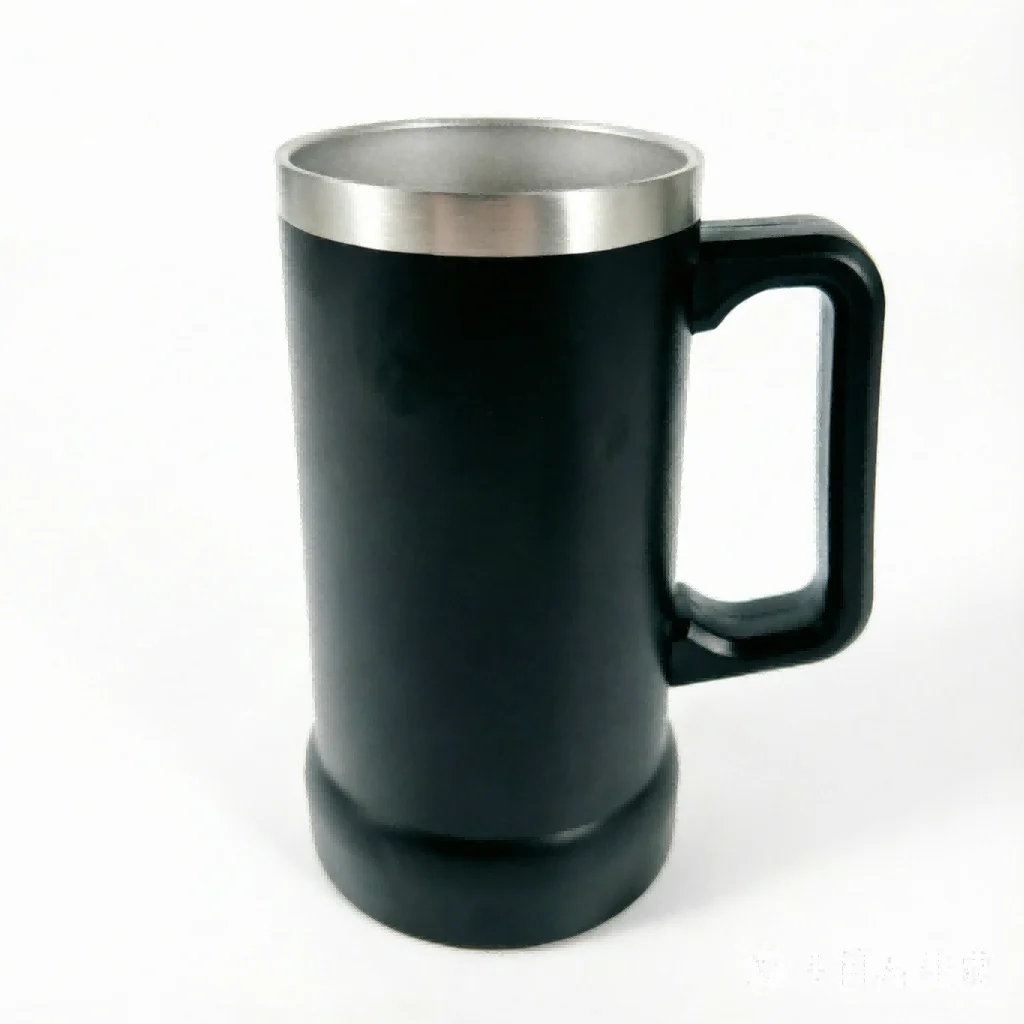
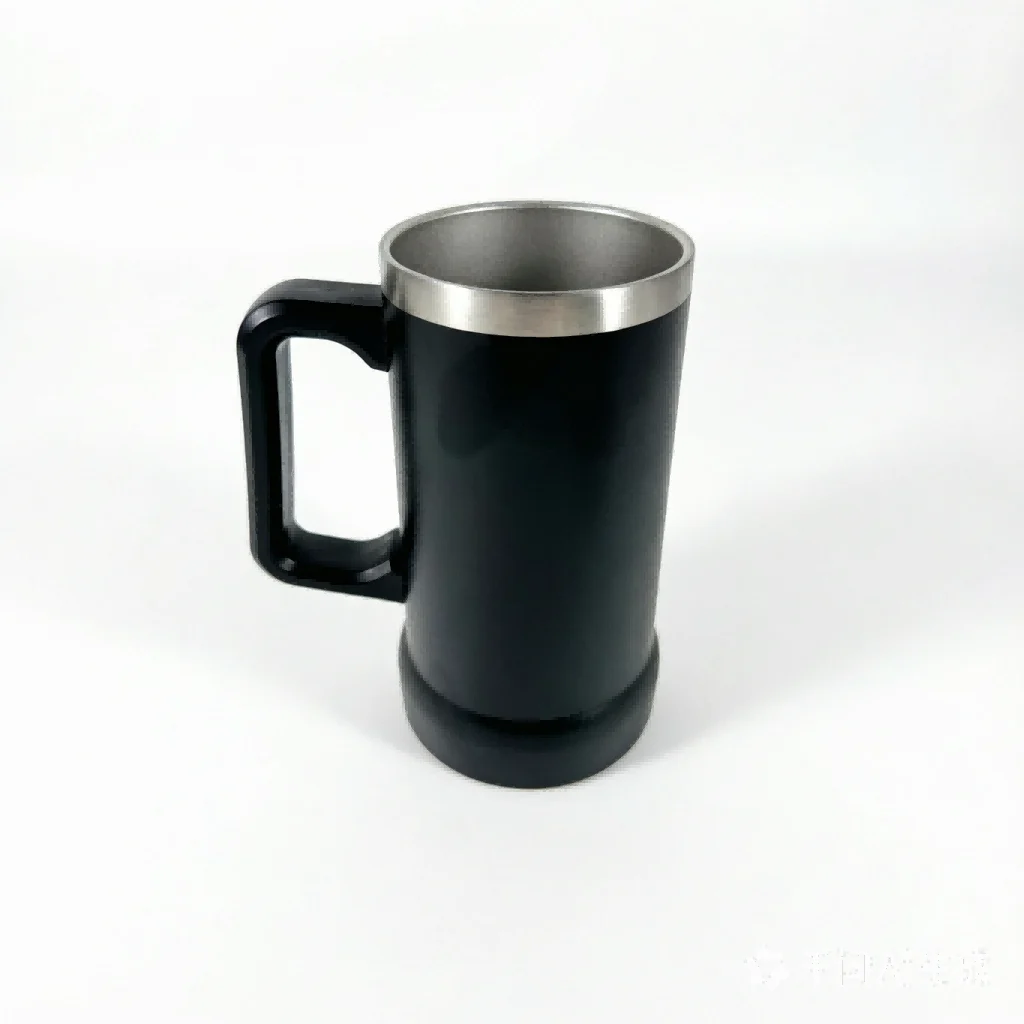
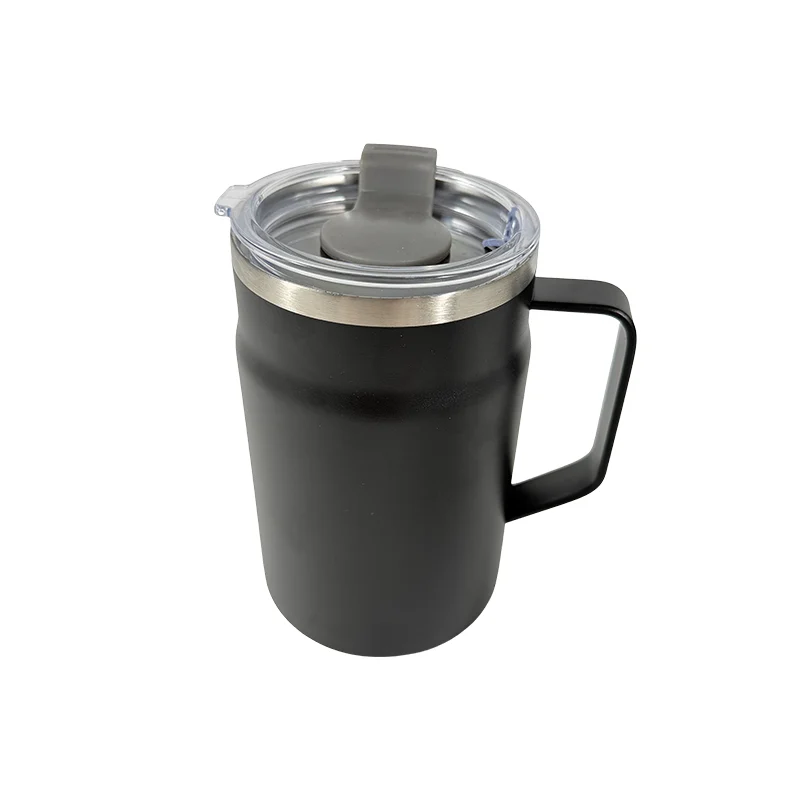
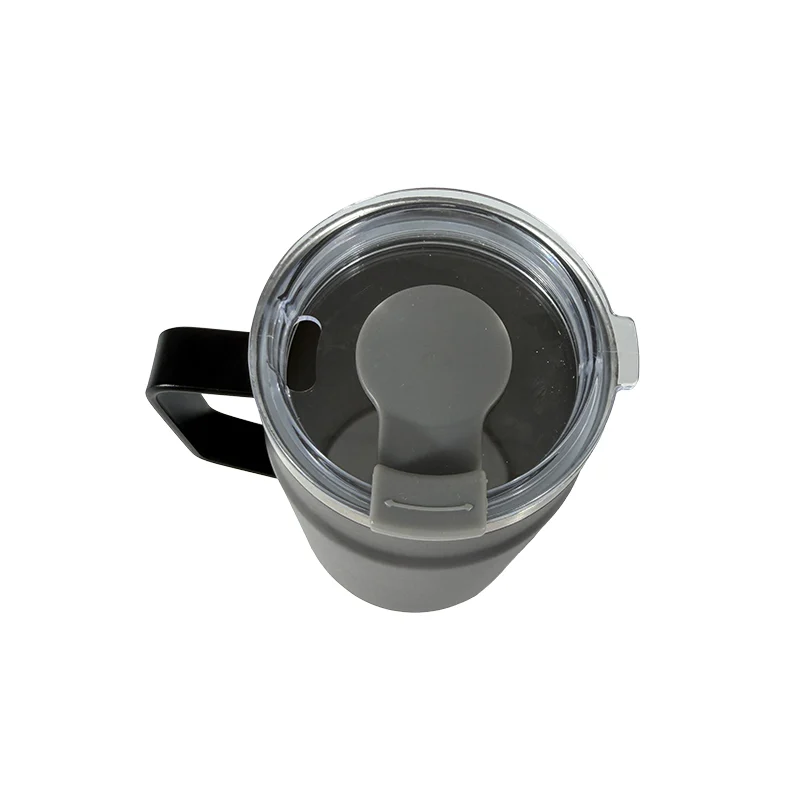
Stainless Steel
Stainless steel remains one of the most sustainable cookware materials available.
Advantages include:
1. Exceptional durability
2.High recyclability
3. Long product lifespan
4. Resistance to corrosion
A well-made stainless steel pot can remain functional for decades, reducing replacement frequency and overall resource consumption.
1)Cast Iron
Cast iron cookware continues to gain popularity among environmentally conscious consumers.
Benefits include:
1. Extremely long lifespan
2.Excellent heat retention
3.Fully recyclable material
4.Minimal coating requirements
Many premium cast iron products are marketed as heirloom-quality cookware that can be passed between generations.
2)Recycled Aluminum
The popularity of recycled aluminum cookware continues to grow rapidly across Europe.
Unlike primary aluminum production, recycled aluminum requires significantly less energy, making it an attractive option for sustainability-focused brands.
3)Ceramic Coatings
Modern ceramic-coated cookware appeals to consumers seeking alternatives to traditional non-stick coatings.
Manufacturers continue investing in improved ceramic technologies that offer enhanced durability and lower environmental impact.
Recycled Aluminum Cookware Is Becoming a Major Growth Category
Among all sustainable material innovations, recycled aluminum cookware has emerged as one of the fastest-growing categories.
Aluminum is already valued for:
1. Excellent heat conductivity
2. Lightweight construction
3. Cost efficiency
When recycled aluminum is used instead of newly mined aluminum, environmental benefits increase significantly.
European buyers increasingly request:
1. Recycled content verification
2. Material traceability documentation
3. Sustainability certifications
Many brands now prominently feature recycled material percentages on packaging and product descriptions.
This trend is particularly strong in:
1. Frying pans
2. Saucepans
3. Cookware sets
4. Non-stick cookware collections
As sustainability reporting requirements increase, recycled aluminum cookware is expected to become a standard offering rather than a premium niche product.
ESG Sourcing Kitchen Products: What European Importers Expect
The concept of ESG sourcing kitchen products has become increasingly important throughout the European market.
ESG stands for:
1. Environmental
2. Social
3. Governance
European retailers and importers are evaluating suppliers based on these criteria in addition to product quality and price.
1)Environmental Expectations
Buyers increasingly assess:
1. Carbon emissions
2. Energy consumption
3. Waste management
4. Water usage
5. Material sustainability
2)Social Responsibility
Importers want assurance that suppliers maintain:
1. Fair labor practices
2. Safe working conditions
3. Ethical employment standards
3)Governance Standards
Governance requirements focus on:
1. Transparency
2. Regulatory compliance
3. Business ethics
4. Supply chain accountability
Manufacturers that can demonstrate strong ESG performance often gain a competitive advantage when bidding for large retail programs.
Green Manufacturing Cookware: How Factories Are Reducing Their Environmental Impact
The rise of green manufacturing cookware initiatives is changing production methods across the industry.
Factories are investing heavily in technologies that reduce environmental impact while maintaining efficiency and quality.
1)Renewable Energy Adoption
Many cookware manufacturers are installing:
1. Solar panel systems
2. Energy-efficient machinery
3. Smart energy monitoring solutions
These investments help reduce carbon emissions while lowering long-term operating costs.
2)Water Conservation Programs
Water-intensive manufacturing processes are being redesigned to:
1. Recycle process water
2. Reduce consumption
3. Improve wastewater treatment
3)Waste Reduction Initiatives
Modern factories increasingly implement:
1. Scrap metal recycling
2. Packaging reduction programs
3. Production optimization systems
These efforts support sustainability goals while improving operational efficiency.
4)Sustainable Coating Technologies
Coating manufacturers are developing:
1. Lower-emission formulations
2. Water-based coating systems
3. Reduced-VOC technologies
These innovations help manufacturers meet stricter environmental regulations.
Plastic Free Kitchenware Trend Continues to Accelerate Across Europe
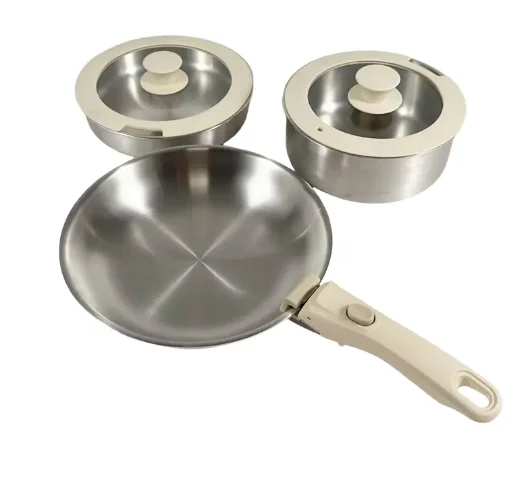
The plastic free kitchenware trend shows no signs of slowing down.
European consumers are increasingly concerned about:
1. Plastic pollution
2. Ocean waste
3. Microplastic contamination
As a result, retailers are actively expanding plastic-free product categories.
Popular alternatives include:
1)Stainless Steel Food Storage
Reusable stainless steel containers offer:
1. Long lifespan
2. High durability
3. Full recyclability
2)Bamboo Kitchen Accessories
Bamboo products continue to grow in popularity because they are:
1. Renewable
2. Lightweight
3. Naturally attractive
3)Glass Storage Solutions
Glass food storage containers are viewed as a premium and environmentally responsible alternative to plastic.
4)Plastic-Free Packaging
Many brands are replacing:
1. Plastic inserts
2. Polybags
3. Plastic labels
with recyclable paper-based alternatives.
Biodegradable Kitchen Tools Are Expanding Beyond Niche Markets
The market for biodegradable kitchen tools has expanded significantly.
Consumers increasingly seek products that can break down naturally after disposal.
Popular biodegradable materials include:
1.Bamboo
2. Wood fiber
3. Agricultural waste composites
4.Plant-based materials
Examples of biodegradable kitchen products include:
- Cooking utensils
- Cleaning brushes
- Dish scrubbers
- Food preparation accessories
While durability remains a challenge for some categories, technological improvements continue to enhance product performance.
As costs decrease, biodegradable kitchen tools are becoming more accessible to mainstream consumers.
Circular Economy Kitchen Products Are Reshaping Product Development
Another major trend influencing European imports is the rise of circular economy kitchen products.
The circular economy focuses on extending product life, minimizing waste, and maximizing resource efficiency.
Traditional manufacturing follows a linear model:
Take → Make → Dispose
The circular model promotes:
Reduce → Reuse → Recycle
1)Durable Product Design
Manufacturers are creating products designed for:
- Longer lifespans
- Easier repairs
- Improved recyclability
2)Material Recovery
Brands are exploring systems that allow materials to be recovered and reused at the end of a product’s life.
3)Recyclable Packaging
Packaging innovations include:
- Fully recyclable cartons
- Minimal packaging designs
- Compostable materials
4)Product Take-Back Programs
Some premium brands now offer programs that allow customers to return old products for recycling or refurbishment.
These initiatives align closely with European sustainability objectives.
Sustainable Kitchenware Trends Driving Private Label Opportunities
Retailers are increasingly launching their own sustainable product collections.
This creates significant opportunities for manufacturers that can support:
- Recycled materials
- Plastic-free packaging
- ESG compliance
- Sustainable certifications
Private label programs allow retailers to:
- Differentiate from competitors
- Improve margins
- Strengthen sustainability messaging
Manufacturers capable of offering sustainable solutions often become preferred long-term suppliers.
What European Buyers Look for When Selecting Sustainable Kitchenware Suppliers
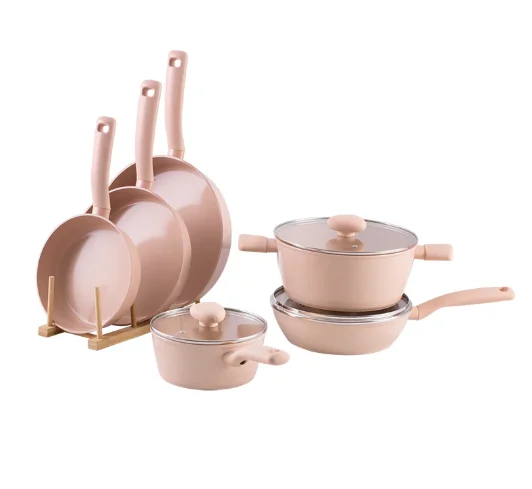
European importers conduct increasingly detailed supplier evaluations.
Key assessment criteria include:
1)Environmental Certifications
Common certifications include:
- ISO 14001
- FSC
- Global Recycled Standard (GRS)
2)Material Traceability
Buyers want transparency regarding:
- Material origin
- Recycled content
- Supply chain practices
3)Manufacturing Practices
Factories must demonstrate:
- Energy efficiency
- Waste reduction
- Responsible sourcing
4)Product Compliance
Food-contact products must comply with relevant European regulations and testing requirements.
Challenges Facing Sustainable Kitchenware Manufacturing in 2026
Despite growing demand, manufacturers face several challenges.
1) Rising Material Costs
Sustainable materials often cost more than conventional alternatives.
2) Greenwashing Concerns
Consumers and regulators increasingly scrutinize environmental claims.
Manufacturers must provide evidence supporting sustainability statements.
3) Supply Chain Complexity
Tracking material origins and maintaining transparency can be challenging across global supply chains.
4) Balancing Cost and Sustainability
Manufacturers must balance environmental improvements with competitive pricing.
Future Sustainable Kitchenware Trends Beyond 2026
Several emerging developments are expected to shape the industry over the next decade.
1) Carbon-Neutral Manufacturing
More factories will pursue carbon-neutral production goals.
2) Increased Recycled Metal Usage
Recycled aluminum and stainless steel will become increasingly common.
3) Digital Product Passports
The European Union is promoting digital systems that provide detailed sustainability information throughout a product’s lifecycle.
4) Advanced Bio-Based Materials
New plant-based materials may offer improved performance and durability.
5) Expanded Circular Economy Models
More brands will integrate repair, refurbishment, and recycling programs into their business models.
Conclusion: Sustainable Kitchenware Trends Will Define the Future of European Imports
The European kitchenware market is undergoing a fundamental transformation. Sustainability is no longer an optional feature—it is becoming a core purchasing requirement.
From eco friendly kitchenware Europe buyers increasingly demand to recycled aluminum cookware, green manufacturing cookware, and circular economy kitchen products, every stage of the supply chain is being influenced by environmental considerations.
Importers are prioritizing ESG sourcing kitchen products, retailers are expanding sustainable product lines, and consumers are actively seeking alternatives that reduce environmental impact.
For manufacturers and exporters, the message is clear: embracing sustainability is not simply about meeting regulations—it is about remaining competitive in one of the world’s most influential kitchenware markets.
Companies that invest in sustainable materials, responsible manufacturing practices, and transparent supply chains will be best positioned to succeed as the next generation of Sustainable Kitchenware Trends continues to reshape the European market.

Nathan is a Kitchenware Compliance & Sourcing Advisor at Auspace Kitchenware, with years in China’s kitchenware sourcing and global market fit. He works with Chinese factories to ensure quality, FDA/CE compliance, and alignment with buyers’ needs.With cross-border trade background, he guides on certification, quality checks, and cost-optimized sourcing. His expertise connects buyers to China’s manufacturers, making him a trusted resource for compliant kitchenware.