


Introduction
In today’s competitive food industry, businesses seeking to thrive must not only provide high-quality products but also adopt effective strategies for sourcing and selling essential items like food containers. As the demand for safe, durable, and sustainable packaging solutions continues to rise, understanding how to maximize profits in the food containers wholesale sector has never been more crucial. This article delves into practical strategies for selling food containers profitably and offers valuable tips for marketing them effectively. Whether you’re a seasoned wholesaler or just starting in the industry, these insights will equip you with the tools necessary to enhance your business and boost your bottom line.
What Are Food Containers Wholesale and Why Choose Them?
Understanding the Concept of Wholesale Food Containers
Wholesale food containers refer to the large-scale purchasing of food storage solutions, often directly from manufacturers or distributors. Businesses seeking to optimize their food storage practices usually buy these containers in bulk to significantly reduce costs and ensure a consistent supply of necessary materials. The concept is rooted in the notion of economies of scale, where buying larger quantities translates to lower prices per unit.
Purchasing food containers wholesale is particularly advantageous for businesses in the food industry, including restaurants, catering services, food packaging companies, and food trucks. These establishments require reliable and diverse storage solutions to maintain food safety, quality, and freshness. Wholesale suppliers typically offer a wide array of containers, including airtight bins, plastic food containers, glass storage jars, and more, catering to various food types and storage needs.
By understanding the concept of wholesale food containers, businesses can capitalize on bulk buying to optimize their logistics and inventory management. This not only reduces procurement costs but also ensures that they have a steady supply of packaging for both raw ingredients and prepared foods, enhancing operational efficiency.
Benefits of Buying Food Containers in Bulk
The benefits of buying food containers wholesale extend beyond cost savings. One significant advantage is the ability to maintain consistent branding across food packaging. When businesses purchase containers in bulk from a reliable food containers supplier, they can ensure that all packaging aligns with their brand identity, creating a cohesive customer experience.
Another important benefit is reduced waste and improved sustainability practices. By purchasing in larger quantities, businesses can minimize packaging waste associated with frequent orders from various suppliers. Additionally, many wholesale food storage solutions are designed for long-term use, encouraging sustainable practices by reducing single-use plastics.
Moreover, wholesale purchases can improve supply chain reliability. When a food storage wholesaler is sourced, businesses can establish a strong relationship with the supplier, fostering better communication and support. This relationship ensures timely deliveries, flexibility in order sizes, and priority service in times of need, which is crucial in the fast-paced food industry.
Overall, the decision to buy food containers in bulk allows businesses to enhance operational efficiency, maintain quality control, and strengthen their market presence. As cost-effective and sustainable practices increasingly become essential in the food industry, companies that embrace wholesale food storage solutions can position themselves as leaders in both quality and environmental stewardship.
Which Food Storage Containers Are Best for Your Business?
Key Features to Look for in Food Storage Containers
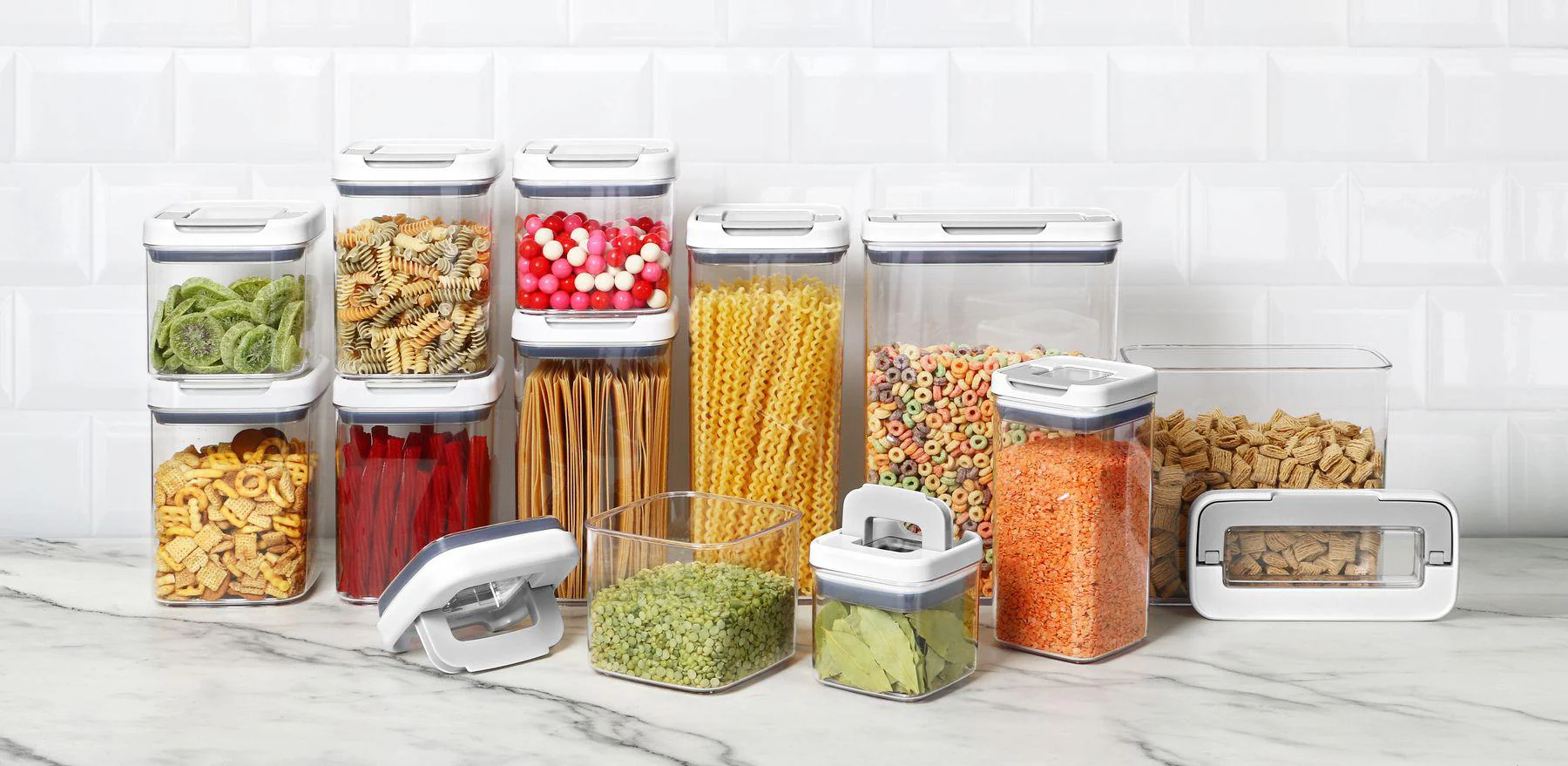
When selecting the best food storage containers for your business, several critical features should be considered to ensure both practicality and compliance with food safety standards. To begin with, the material of the container is of utmost importance. Containers made from food-grade plastic or glass are ideal, as they do not leach harmful chemicals into food and can withstand varying temperatures.
Another key feature is the container’s airtight seal. Containers with secure, airtight lids prevent air from entering, thereby reducing moisture and preventing spoilage, which is essential for maintaining the quality of both perishable items and bulk food storage. Additionally, opting for containers that are stackable can save precious storage space, making them ideal for businesses with limited room.
Size variations are also crucial. Different food items require different storage capacities; therefore, it’s advisable to choose containers in various sizes. This flexibility allows businesses to store everything from dry goods like grains and beans in larger containers to smaller items like herbs or spices in compact jars.
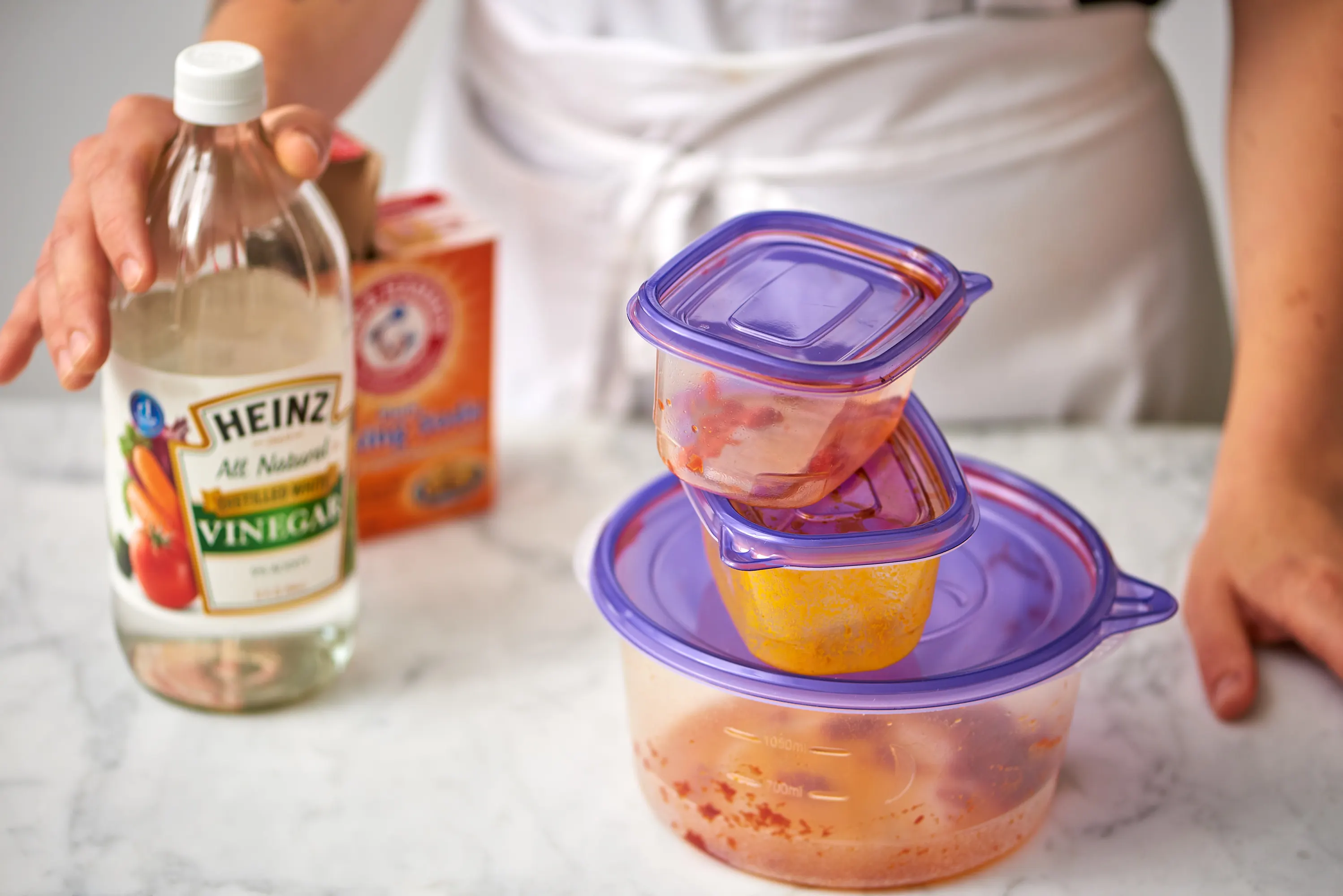
Lastly, consider the ease of cleaning and maintenance. Containers that are dishwasher-safe and don’t retain stains or odors will enhance operational efficiency in the long run, simplifying the cleaning process after use.
Top Brands and Types of Containers for Bulk Purchase
When it comes to purchasing food storage containers in bulk, it is essential to choose reputable brands known for their quality and reliability. Leading brands such as Rubbermaid, Cambro, and Sterilite have established a strong reputation in the market, offering a wide range of products tailored for commercial food storage needs.
Rubbermaid’s food storage containers are highly regarded for their durability, versatility, and secure sealing capabilities. They offer a variety of sizes and shapes suited for various food types, making them a preferred choice for restaurants and catering services. Cambro, on the other hand, specializes in high-performance containers designed for heavy-duty use, including options like bulk food storage containers that are ideal for larger quantities of ingredients.
For businesses seeking eco-friendly solutions, brands like BioPack or Eco-Products provide compostable and recyclable food storage options. These products are becoming increasingly popular as sustainability continues to be a driving factor in consumer choices.
In addition to brand considerations, it’s essential to evaluate the types of containers that best meet your needs. Options include clear plastic containers for easy visibility, stackable containers for efficient space management, and those with measurement markings for precise portion control. By investing in the right food storage containers, businesses can enhance their operational efficiency, maintain food quality, and ultimately drive profitability in their sales.
Certainly! Here are the detailed sections for the outlined topics focusing on **“food containers wholesale”** while ensuring valuable insights are provided specific to the foreign trade industry.
What Is a Bulk Storage Container and Its Advantages?
Definition and Purpose of Bulk Storage Containers
A bulk storage container is designed for the transportation and storage of large quantities of goods, particularly in the food service industry. These containers are typically made from durable materials, such as high-density polyethylene or stainless steel, and are engineered to hold significant volumes while maintaining the integrity of the stored products. Unlike standard storage containers, which may focus on individual portions or smaller quantities, bulk storage containers allow businesses to optimize storage space, improve inventory management, and reduce packaging waste.
Bulk storage containers serve several purposes. Primarily, they are used to store ingredients in bulk form, such as grains, flour, sugar, and even liquids like oils and sauces. This not only streamlines the supply chain but also enhances operational efficiency in food processing plants, warehouses, and commercial kitchens. Businesses that engage in high-volume food production benefit significantly from using bulk food storage containers, as they facilitate both easy access and quick replenishment of ingredients.
In addition to their practical applications, bulk storage containers can help companies leverage economies of scale. By ordering ingredients in larger quantities and storing them efficiently, businesses can significantly reduce the per-unit cost of ingredients, ultimately boosting profit margins. Moreover, owning bulk storage solutions reinforces an organization’s capability to meet varying consumer demands without the constant pressure to reorder smaller quantities.
Advantages of Using Bulk Storage Containers in Food Service
Employing bulk storage containers in the food service industry offers a myriad of advantages, primarily focused on efficiency, cost-effectiveness, and food safety. One of the most significant benefits is the inherent reduction in packaging waste. By eliminating the need for multiple smaller packages, businesses not only lower their material costs but also contribute positively to environmental sustainability—a factor increasingly important to consumers and stakeholders alike.
Additionally, bulk storage containers enhance workplace efficiency. These containers are typically designed for easy access and usability, allowing staff to quickly retrieve ingredients without the tedious process of dealing with numerous smaller containers. This ease of use minimizes preparation time and streamlines kitchen operations, enabling employees to focus on food preparation and customer service rather than inventory management.
Furthermore, using bulk storage solutions helps maintain the quality and freshness of food products. Properly sealed bulk food storage containers protect ingredients from contamination, moisture, and exposure to air, which can degrade quality over time. For instance, bulk containers with airtight lids prevent oxygen ingress, thus prolonging the shelf life of sensitive materials, which is crucial for restaurants or food manufacturers aiming to deliver optimal taste and consistency.
In the context of supply chain management, utilizing a reputable food containers supplier for bulk storage solutions leads to more predictable ordering patterns and inventory control. Consistent supplier relationships foster the ability to negotiate better pricing structures and ensure timely delivery, enhancing overall business performance. Ultimately, the adoption of bulk storage containers is not merely a logistical decision—it represents a strategic approach to maximizing operational efficiency and profitability in the competitive food service sector.
How Do I Choose Plastic Containers for Food Storage?
Factors to Consider When Selecting Plastic Food Containers
Choosing the right plastic containers for food storage is essential for maintaining the safety and quality of food products. Several critical factors should be taken into account to ensure that you select the most suitable options that align with your business needs.
First and foremost, consider the material of the container. Food-grade plastics, such as polypropylene (PP) and polyethylene (PE), are preferred for food storage due to their resistance to chemicals and their durability. Ensure that the plastic is certified for food contact, as using non-food-safe materials can pose health risks.
Next, evaluate the container’s design features. Look for containers that offer airtight seals, as this will help prevent moisture intrusion and preserve freshness. Additionally, features like stackability can significantly enhance storage efficiency, making it easier to utilize available space in your kitchen or storage area. Transparent containers also allow for quick identification of contents, promoting better inventory management.
It is essential to consider the size and capacity of the containers. Depending on the types of food your business handles, you may require a range of sizes. Large containers are ideal for bulk ingredients, while smaller sizes are suitable for spices, sauces, and prepared items. A diverse set of container sizes allows for optimal organization within your food storage system.
Finally, examine the ease of cleaning and maintenance. Containers that are dishwasher safe and resistant to staining will save valuable time during the cleaning process and are more likely to maintain quality over time. When investing in food containers, prioritizing quality and functionality will significantly impact your business’s operational efficiency.
Safety Standards and Regulations for Food-Grade Plastics
When selecting plastic containers for food storage, understanding the safety standards and regulations that govern food-grade plastics is crucial. Different regions have specific guidelines designed to safeguard consumer health, ensuring that food packaging materials do not contaminate food products.
In the United States, the Food and Drug Administration (FDA) is responsible for regulating materials that come into contact with food. According to the FDA, food containers must meet certain safety criteria, including minimizing chemical migration into food, maintaining structural integrity under intended use conditions, and ensuring that the materials do not impart any unwanted flavors or odors.
Similarly, in the European Union, the regulations surrounding food contact materials require compliance with the EU Regulation on Food Contact Materials (EC) 1935/2004. This regulation outlines the necessary harmonization of materials used for food contact, ensuring that packaging remains safe throughout its intended lifecycle.
When sourcing plastic containers, it is advisable to work with reputable food storage wholesalers or suppliers that can provide certification and documentation proving compliance with these safety standards. Such suppliers typically have undergone rigorous testing and quality assurance processes to ensure their products meet established guidelines.
Furthermore, businesses should also consider the lifecycle of the plastic containers they choose. Opting for reusable and recyclable options can align with sustainability goals, appealing to environmentally-conscious consumers while adhering to safety regulations. In conclusion, diligence in selecting plastic food containers not only ensures compliance with regulatory requirements but also enhances overall food safety and quality in your operations.
Sure! Here are the detailed sections for the outlined topics, focusing on **“food containers wholesale”** while ensuring valuable insights are provided specific to the foreign trade industry.
How Do I Choose the Right Food Packaging?
Types of Food Packaging Solutions Available
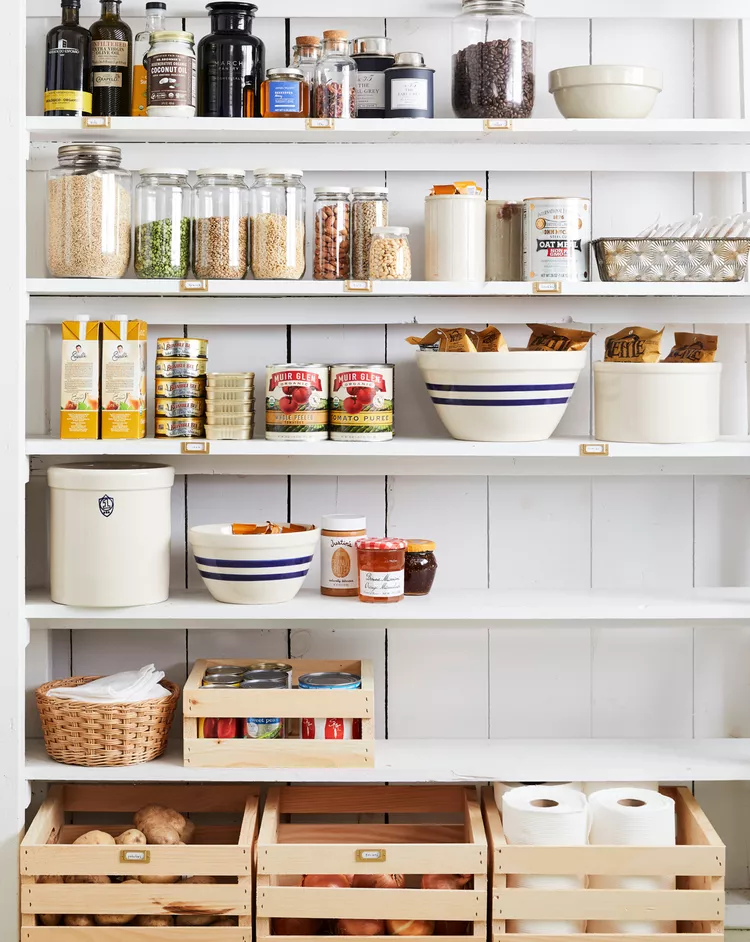
Choosing the right food packaging is crucial for any business involved in the food industry, from restaurants to manufacturers and retailers. The appropriate packaging not only preserves the quality and safety of the food but also plays a significant role in branding and customer experience. A variety of food packaging solutions are available, each catering to different types of products and storage needs.
Firstly, flexible packaging is one of the most versatile options. This includes materials like plastic bags, pouches, and films that can conform to the shape of the product. Flexible packaging is typically lightweight and resource-efficient, making it an economical choice for both storage and transportation. Brands often utilize flexible packaging for snacks, frozen foods, and ready-to-eat meals due to its convenience and the extended shelf life it offers.
Secondly, rigid packaging is another prevalent form of food packaging. This category includes containers made of glass, plastic, or metal that have a fixed shape. Rigid containers are advantageous for items that require a sturdier barrier to prevent crushing or spilling. They also provide excellent protection against contaminants and longer shelf life. For instance, bulk food storage containers made from food-grade plastic or glass are ideal for storing ingredients like cereals, grains, and other dry goods. Sourcing such containers via a reputable food containers supplier can ensure quality and compliance with health regulations.
Eco-friendly packaging has gained significant traction in the market due to growing consumer awareness of sustainability. Options such as biodegradable films, compostable containers, and recyclable materials appeal to environmentally-conscious customers. Wholesalers are increasingly offering sustainable packaging solutions that not only comply with safety standards but also reflect a commitment to reducing waste.
Lastly, vacuum packaging is critical for perishable goods. By removing air from the packaging, businesses can substantially extend the shelf life of products like meats, cheeses, and vegetative items. This technique is invaluable for minimizing spoilage and maintaining the quality of sensitive foods, making it an essential packaging method for food service providers.
In summary, selecting the right food packaging involves understanding the different types available and their suitability for specific products. Businesses should prioritize both functionality and sustainability, ensuring that their packaging choices align with industry regulations and consumer preferences. Opting for a comprehensive approach that combines quality food containers wholesale and innovative packaging solutions can enhance brand integrity and customer satisfaction.
Importance of Proper Food Packaging in Maintaining Freshness
Proper food packaging is vital in maintaining the freshness and quality of food products, a key factor that can influence customer satisfaction and business reputation. The right packaging minimizes exposure to air, moisture, and light, all of which can lead to spoilage. By employing suitable packaging materials, businesses can significantly extend the shelf life of their products, ultimately resulting in reduced food waste and increased profitability.
One of the most significant aspects of food packaging is its role in protecting against contaminants. High-quality packaging creates a barrier that shields food from dust, bacteria, and other external elements that could compromise food safety. Additionally, the use of appropriate packaging techniques, such as vacuum sealing or modified atmosphere packaging, can further preserve the freshness by regulating the internal environment. For instance, using bulk food storage containers with airtight seals prevents moisture ingress and oxidation, crucial for maintaining the integrity of dry ingredients like flour, sugar, and spices.
Furthermore, effective food packaging facilitates better inventory management. By utilizing clear and properly labeled containers, businesses can easily track stock levels and monitor expiration dates, leading to more efficient use of resources and reduced waste. This aspect is especially important for businesses that handle both bulk food storage and prepared meals.
On a consumer level, the visual appeal of packaging can significantly influence purchasing decisions. Properly packaged products not only convey quality and safety but also enhance brand image. Attractive packaging that communicates freshness can capture customer attention and build brand loyalty. Therefore, businesses should invest in high-quality packaging solutions that reflect their commitment to excellence.
Overall, the importance of proper food packaging cannot be overstated. It directly impacts freshness, safety, and customer perception, making it a critical element in the food supply chain. By prioritizing effective packaging strategies and working with reliable food storage wholesalers, businesses can ensure that their products reach consumers in optimal condition, fostering long-term success.
What Are the Best Bulk Foods for Long-Term Storage?
Recommended Bulk Foods Suitable for Extended Storage
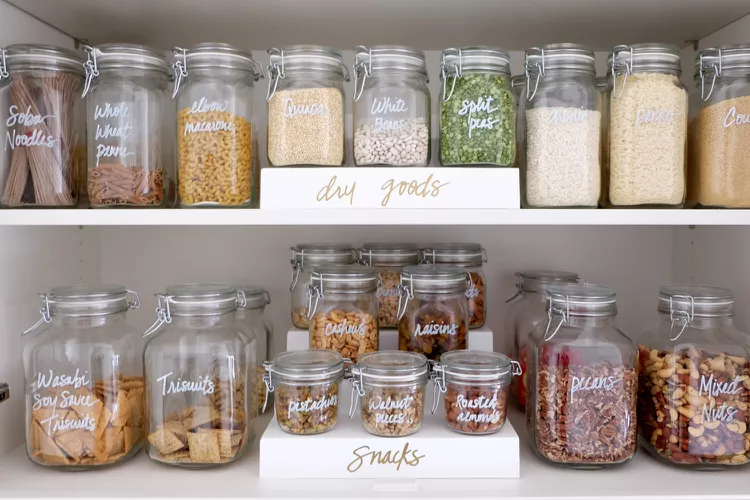
When it comes to bulk food storage, selecting the right products for long-term storage is paramount. Certain foods not only provide nutritional value but also have extended shelf lives, making them ideal candidates for bulk purchasing. These foods can serve as staples in any kitchen or food service establishment, ensuring that businesses maintain a steady supply of essential ingredients.
One of the top choices for long-term bulk storage is grains, such as rice, quinoa, and oats. These staples have a long shelf life when stored properly in airtight containers, making them excellent options for both everyday cooking and emergency preparedness. For instance, white rice can last up to 30 years if stored under optimal conditions, making it a go-to choice for bulk food storage.
Another recommendation is pasta, which is not only versatile but also has a long shelf life. Dried pasta can last for several years when kept in a cool and dry environment, making it an easy-to-store staple. Similarly, legumes, such as beans and lentils, are excellent sources of protein and fiber, boasting shelf lives of several years when stored appropriately.
Freeze-dried and dehydrated food are also fantastic options for long-term storage. These foods undergo processing methods that remove moisture, allowing them to last longer while preserving nutritional content. Options include freeze-dried fruits, vegetables, and even meals that can be rehydrated for use. They are increasingly popular among outdoor enthusiasts and can be advantageous for food service businesses requiring lightweight inventory.
Nut butters, particularly those without added preservatives, can also be effective for bulk storage due to their high-fat content, which helps prevent spoilage. Bulk food storage containers are ideal for preserving the quality of these products while ensuring easy access.
How to Store Bulk Foods Properly for Longevity
Storing bulk foods properly is essential for maintaining their quality and extending their shelf life. The efficacy of bulk food storage relies heavily on the chosen methods and materials used for storage. Here are some effective strategies for ensuring longevity:
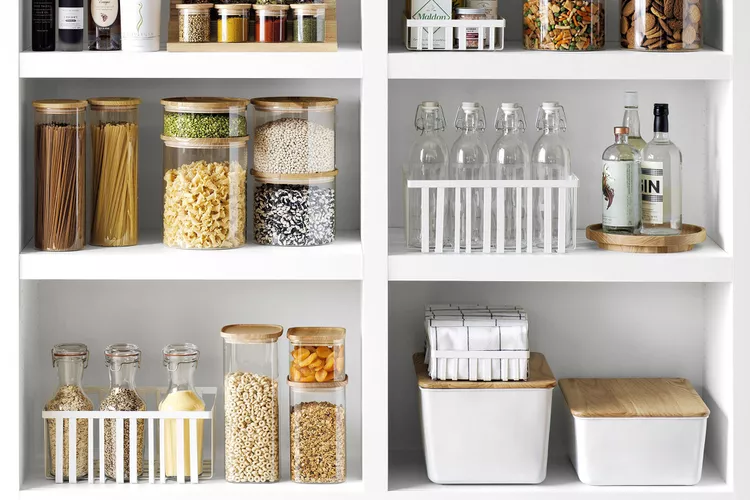
First and foremost, choose the right storage containers. Airtight containers are crucial for preventing moisture, air, and pests from compromising food quality. Food-grade plastic containers or glass jars with tight-sealing lids are highly recommended for bulk food storage. Sourcing these containers from a reliable food containers supplier will ensure quality and compliance with health regulations.
Next, positioning is key when it comes to food storage. Store bulk foods in a cool, dry, and dark location, as exposure to light, heat, and humidity can accelerate spoilage. A temperature-controlled environment will also help in prolonging the shelf life of items like grains and legumes.
Regularly check storage conditions and container contents to ensure that everything remains in good condition. Rotating stock and using the “first in, first out” principle can help maintain freshness. Additionally, labeling containers with purchase dates and storage recommendations will assist in keeping track of inventory.
Lastly, consider investing in oxygen absorbers when storing sensitive items. These small packets can help absorb excess oxygen inside containers to minimize oxidation. This is particularly beneficial for items like nuts, grains, and dried fruits, ensuring they remain fresh for extended periods.
In conclusion, by selecting the right bulk foods for long-term storage and employing effective storage techniques, businesses can ensure a reliable supply of quality ingredients. This practice is not only efficient but also financially prudent, allowing organizations to navigate fluctuations in ingredient availability and pricing in the ever-evolving food market.
Here’s a detailed exploration of maximizing profits with food containers wholesale, including effective strategies for selling and marketing food containers.
How to Maximize Profits with Food Containers Wholesale?
Strategies for Selling Food Containers at Profit
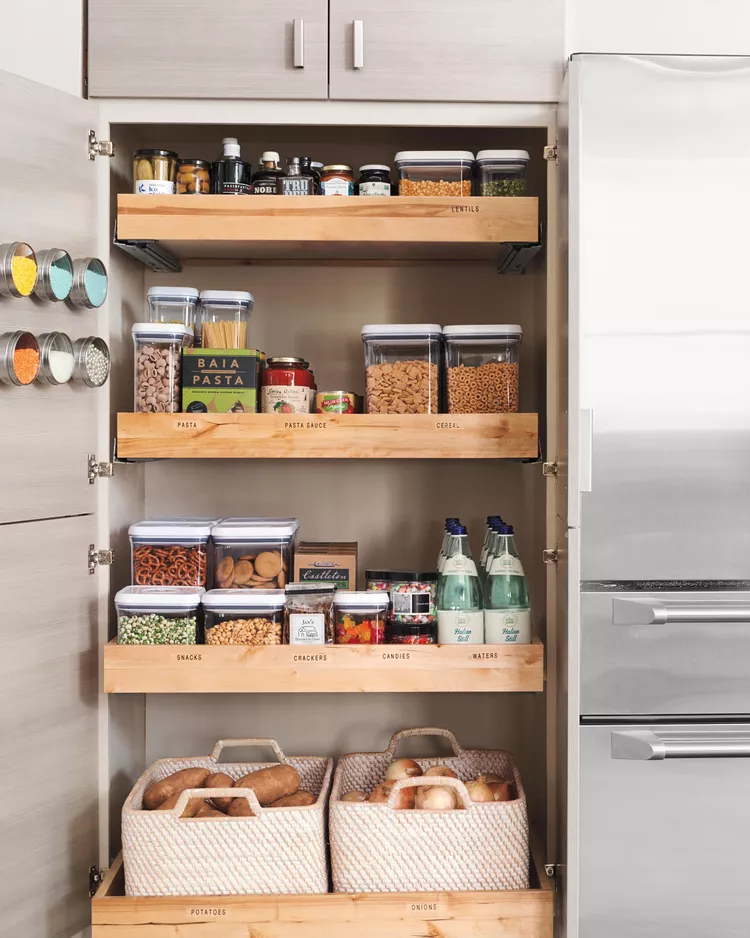
Maximizing profits in the food containers wholesale market involves a mix of strategic planning, market understanding, and customer engagement. The first step is identifying your target market. Establish whether your primary customers are restaurants, catering companies, food manufacturers, or retail chains. Each segment has distinct needs, and tailoring your offerings can significantly impact profitability.
One effective strategy is to focus on bulk food storage containers that cater to specific market demands. For instance, high-quality, durable containers made from food-grade materials are in high demand among commercial kitchens and food service providers. By partnering with reputable food containers suppliers, you can source products at competitive rates, thereby increasing your margin potential. Negotiating favorable terms with suppliers can also minimize costs, allowing you to offer more competitive pricing without sacrificing profit.
Additionally, offering a range of products that address various customer needs can drive sales. For instance, you might provide various sizes of containers suitable for different food items, such as dry goods, liquids, or perishables. Providing options like airtight seals, stackable designs, and eco-friendly materials can also attract a diverse clientele.
Consider incorporating value-added services into your sales strategy. For example, offering customization options—like branded packaging or personalized labels—can appeal to clients looking to enhance their brand identity. This not only increases the perceived value of your food containers but also allows you to charge premium prices.
Another avenue to increase profitability is adopting a subscription model or a loyalty program. For businesses that require regular supplies, a subscription service ensures steady sales and encourages repeat customers. This arrangement fosters stronger relationships with clients and can lead to bulk ordering, further enhancing profitability.
Finally, keeping a keen eye on market trends is essential. Stay informed about emerging food safety regulations and packaging innovations, as these can influence purchasing decisions. By being proactive and adapting your product offerings accordingly, you position your business to meet customer needs effectively—ultimately maximizing profits in the wholesale marketplace.
Tips for Marketing Your Food Containers Effectively
Effective marketing is central to maximizing profits in the food containers wholesale sector. To capture and retain customers’ attention, consider implementing a multifaceted marketing strategy that incorporates both digital and traditional methods.
Start by developing a robust online presence. Creating an informative and visually appealing website is vital. Showcase your food containers through high-quality images and detailed descriptions, highlighting their unique features, such as durability and versatility. Incorporate an e-commerce platform to facilitate online orders, a feature increasingly favored by B2B buyers seeking convenience.
Utilizing social media can significantly boost your marketing efforts. Platforms like Instagram and LinkedIn allow you to connect with industry professionals and showcase your products visually. Share engaging content, such as recipe ideas that incorporate your containers or case studies demonstrating how your products have benefited other businesses. Moreover, user-generated content—like testimonials and photos from satisfied customers—can enhance credibility and encourage more potential buyers to engage.
Email marketing is another effective tool to keep existing and potential clients informed. Regular newsletters can highlight promotions, new arrivals, or industry insights, reinforcing your expertise as a food storage wholesaler. Use targeted email campaigns to reach different segments of your audience, ensuring that each message resonates with their specific needs.
Consider attending trade shows and industry conferences. These events provide valuable opportunities to connect directly with potential customers and showcase your products. Engaging in face-to-face interactions can build trust and foster long-term business relationships, facilitating repeat purchases.
Finally, leverage SEO (Search Engine Optimization) practices to improve your online visibility. Optimize your website and content with relevant keywords, including bulk food storage and food containers wholesale, to attract organic traffic. By enhancing your online presence, you can increase brand awareness and ultimately drive sales.
In summary, effective marketing combined with strategic selling is key to maximizing profits in the food containers wholesale industry. By investing in a strong online presence, utilizing diverse marketing channels, and fostering customer relationships, your business can thrive in this competitive market.
Certainly! Here’s a compelling introduction and conclusion for the article on maximizing profits with food containers wholesale.
Conclusion
Maximizing profits in the food containers wholesale market requires a strategic approach to both selling and marketing. By identifying your target audience, investing in quality products, and employing effective marketing strategies, your business can thrive in this dynamic industry. Remember, the right food container solutions not only protect your clients’ products but also contribute significantly to their brand’s success. If you’re ready to elevate your business with premium food storage solutions or seek expert advice tailored to your needs, don’t hesitate to contact us today. Let’s work together to create sustainable success in the food packaging market!

Lola Zhang is a Kitchenware Sourcing & Market Specialist at Auspace Kitchenware, with years in China’s kitchenware wholesale sourcing. She helps buyers spot trending products, optimize procurement, and handle post-purchase issues.With deep industry experience, she offers tips on market-matching and smooth sourcing. Her expertise links buyers to trusted Chinese manufacturers, making her a reliable partner for efficient kitchenware sourcing.