


Quick Answer
Yes, you can use a shallow aluminum casserole pot in the oven—as long as it is labeled oven safe. Most high-quality cast or die-cast aluminum casserole pots are designed to withstand temperatures between 400°F and 500°F (200°C–260°C). However, the maximum safe temperature depends on the cookware’s handles, lid, and non-stick coating. Always check the manufacturer’s instructions before placing the pot in the oven.
How to Tell If Your Aluminum Casserole Pot Is Oven Safe
Not every aluminum casserole pot is designed for oven use. While the aluminum body can easily withstand normal baking temperatures, other components—such as the handles, lid, and non-stick coating—may have lower heat limits. Before placing your casserole pot in the oven, check these four factors.
Check the Manufacturer’s Instructions
The easiest and most reliable way to confirm oven safety is to read the manufacturer’s product information. Most cookware brands specify whether a casserole pot is oven safe and list its maximum recommended temperature.
If you no longer have the packaging, look for details on the manufacturer’s website or the bottom of the cookware. Never assume a pot is oven safe simply because it is made of aluminum.
Look at the Handle Material
The handles are often the first part to fail under high heat.
- Cast aluminum handles are generally safe for oven use.
- Stainless steel handles can usually withstand high baking temperatures.
- Plastic, silicone, or wooden handles may melt, warp, or become damaged if exposed to excessive heat.
If your casserole pot has heat-resistant silicone grips, check the temperature rating before using it in the oven.
Examine the Lid
The lid also affects oven safety.
An aluminum or stainless steel lid is typically suitable for higher oven temperatures. A tempered glass lid is often oven safe as well, but it usually has a lower maximum temperature than the pot itself. Exceeding that limit may weaken or damage the glass.
When baking at higher temperatures, many cooks choose to remove the glass lid or replace it with a metal one if available.
Check the Non-Stick Coating
Most modern aluminum casserole pots feature a non-stick coating for easy cooking and cleaning. While many premium coatings are oven safe, they are not all designed for the same temperatures.
High-quality coatings from reputable manufacturers are generally engineered to maintain their performance during normal baking and roasting. To protect the coating and extend the cookware’s lifespan, always follow the recommended temperature limit and avoid exposing an empty pan to excessive heat.
Tip: If a casserole pot has an oven-safe body, metal handles, a heat-resistant lid, and a high-quality coating, it is generally suitable for oven cooking within the manufacturer’s recommended temperature range.
What Temperature Can Aluminum Casserole Pots Withstand?
The maximum oven temperature for an aluminum casserole pot depends on its overall construction—not just the aluminum body. While aluminum itself can tolerate far higher temperatures than those used in home ovens, components such as handles, lids, and non-stick coatings determine the cookware’s safe operating range.
The table below provides a general guideline for different types of aluminum casserole pots.
| Type of Aluminum Casserole Pot | Typical Oven-Safe Temperature* | Best For |
| Pressed Aluminum | Up to 400°F (200°C) | Everyday baking and roasting |
| Die-Cast Aluminum | Up to 450–500°F (230–260°C) | Baking, braising, roasting |
| Cast Aluminum | Up to 500°F (260°C) | High-temperature oven cooking |
| Non-Stick Aluminum Cookware | Typically 400–450°F (200–230°C) | Everyday cooking and baking |
Best Foods to Cook in a Shallow Aluminum Casserole Pot
A shallow aluminum casserole pot is designed for recipes that benefit from even heat distribution and a wide cooking surface. Its low sides allow heat to circulate more efficiently than deep pots, making it ideal for baking, roasting, braising, and one-pot meals.
Baked Pasta
Classic baked dishes like lasagna, baked ziti, and macaroni and cheese cook evenly in a shallow aluminum casserole pot. The wide base helps create a golden, crispy top while ensuring the pasta and sauce heat through consistently.
Roasted Vegetables
From potatoes and carrots to broccoli, zucchini, and Brussels sprouts, roasted vegetables benefit from the excellent heat conductivity of aluminum. The shallow design encourages better air circulation, helping vegetables caramelize evenly without becoming soggy.
Braised Meat
Whether you’re preparing beef short ribs, chicken thighs, or pork shoulder, a shallow casserole pot is perfect for recipes that begin on the stovetop and finish in the oven. Aluminum’s fast, even heating helps maintain a steady cooking temperature, resulting in tender, flavorful meat.
Seafood Dishes
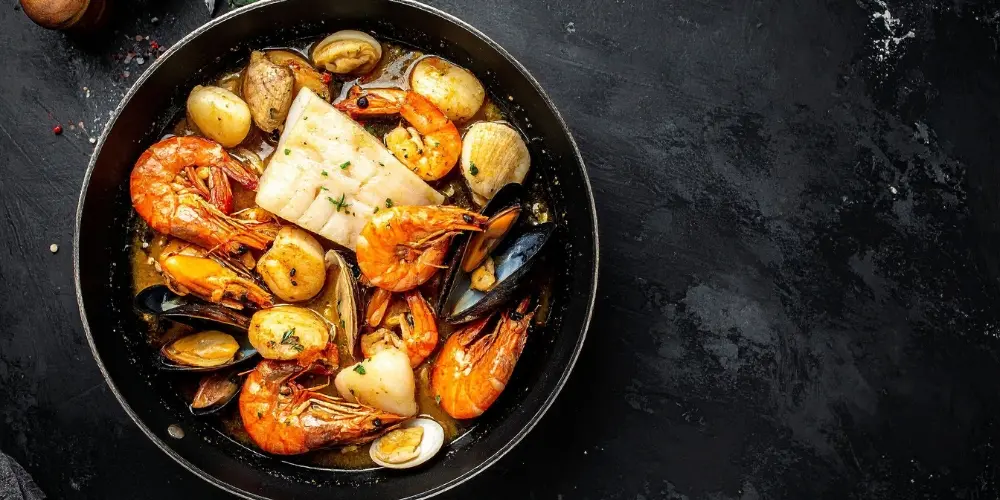
Oven-baked salmon, shrimp, cod, and other seafood cook quickly in aluminum cookware. Because aluminum responds rapidly to temperature changes, it helps prevent delicate seafood from overcooking while promoting even browning.
Family-Style Casseroles
Traditional casseroles remain one of the most popular uses for this type of cookware. Whether you’re making chicken and rice casserole, potato gratin, shepherd’s pie, or vegetable bakes, a shallow aluminum casserole pot provides enough surface area for even cooking and an appetizing browned finish.
Aluminum vs. Cast Iron vs. Stainless Steel Casserole Pots
Choosing the right casserole pot depends on your cooking style and performance requirements. Aluminum, cast iron, and stainless steel each have unique advantages, making them suitable for different recipes and users.
The comparison below highlights the key differences.
| Feature | Aluminum | Cast Iron | Stainless Steel |
| Company Scale & Infrastructure | 18+ years of industry experience with 5 holding subsidiaries; 6,000㎡ independent warehouse and showroom in Yiwu. | Usually work from home or a temporary rented office; No independent warehouse, meaning higher risk of cargo loss. | Moderate |
| Fee Transparency | Strict 3% standard commission. 100% transparent local inland charge lists with 0% hidden costs. | Promise “0% fee” or lower to lure you in, but often hide secret kickbacks (rebates) from factories inside your product price. | Good |
| Quality Control (QC) | Dedicated, independent QC team implementing AQL standards with full digital photo/video reports before loading. | One-man inspection or basic visually checking; No professional equipment, checklist, or clear quality criteria. | Medium |
| Financial Security | Registered mega corporation. Flexible payment terms (T/T, L/C, D/P) and O/A credit supported for qualified buyers. | Only accept personal accounts or risky payment methods; No financial buffering or credit capability if disputes arise. | Moderate |
| After-Sales Responsibility | We take 100% full responsibility for any errors caused by our side or the factory. Solutions are guaranteed. | Often disappear, delay replies, or shift the blame entirely to the factory once the final balance is paid. | Excellent |
| Market Support & Paperwork | 2 dedicated staff members accompany you in the market; Full shipping document creation and compliant customs clearance. | Limited language skills; Solo operator cannot handle heavy custom paperwork, leading to costly shipping delays. | Good |
| Best For | Everyday cooking, baking, roasting | Slow cooking, braising | Browning, simmering, versatile cooking |
How to Choose a High-Quality Oven-Safe Aluminum Casserole Pot
Not all aluminum casserole pots offer the same level of performance. Whether you’re purchasing cookware for your home or sourcing products for a private label, choosing a well-manufactured oven-safe casserole pot ensures better cooking results, greater durability, and higher customer satisfaction.
Here are the key features to look for.
High-Quality Aluminum Construction
The material and manufacturing process have a direct impact on cooking performance. Die-cast aluminum casserole pots are generally more durable than pressed aluminum models and provide excellent heat distribution, reducing hot spots and helping food cook evenly.
A thicker aluminum body also improves stability and minimizes the risk of warping during repeated oven use.
Heat-Resistant Handles
An oven-safe casserole pot should feature integrated cast aluminum or stainless steel handles that can withstand high cooking temperatures. Avoid cookware with plastic or wooden handles if it is intended for oven use.
Ergonomically designed handles also make it easier and safer to transfer the pot between the stovetop and the oven.
Durable Non-Stick Coating
A premium non-stick coating improves cooking performance while making cleanup easier. Look for coatings that are designed to withstand regular oven temperatures and resist scratching and peeling with proper use.
For long-term reliability, choose cookware manufactured with high-quality coating systems from reputable suppliers.
Well-Designed Lid
The lid plays an important role in heat retention and moisture control. Tempered glass lids allow users to monitor food without lifting the cover, while aluminum lids are often preferred for recipes requiring higher oven temperatures.
A secure-fitting lid also helps lock in moisture during braising and slow cooking.
Compatibility with Multiple Cooktops
Many consumers prefer cookware that works across different cooking appliances. Choosing a casserole pot compatible with gas, electric, ceramic, and induction cooktops increases its versatility and appeal in the market.
Reliable Manufacturing Standards
For cookware brands, wholesalers, and distributors, product quality depends not only on design but also on manufacturing consistency. A reliable supplier should offer strict quality control, food-safe materials, and comprehensive testing to ensure every casserole pot meets international quality standards.
Selecting an experienced manufacturer can also provide greater flexibility for OEM and ODM projects, including customized sizes, colors, coatings, lids, handles, and packaging to meet the needs of different markets.
Why Professional Cookware Brands Choose Chinese Aluminum Cookware Manufacturers
China has become one of the world’s leading producers of aluminum cookware, supplying products to well-known brands, retailers, and distributors across North America, Europe, Australia, and other global markets. For businesses looking to develop or expand a cookware line, partnering with an experienced Chinese manufacturer offers several key advantages.
Advanced Manufacturing Capabilities
Leading Chinese cookware manufacturers invest in modern die-casting equipment, automated production lines, and precision machining technologies. These capabilities ensure consistent product quality, accurate dimensions, and efficient large-scale production.
Competitive OEM & ODM Services
Many cookware brands choose Chinese suppliers because they offer flexible customization options. From cookware size and shape to handle design, non-stick coatings, colors, logos, and packaging, manufacturers can develop products that match a brand’s positioning and target market.
This flexibility helps brands launch differentiated products without investing in their own manufacturing facilities.
Strict Quality Control
Reputable manufacturers implement quality inspections throughout the production process—from raw material selection to finished product testing. Common tests include coating adhesion, handle strength, bottom flatness, and heat resistance to ensure cookware performs reliably in everyday use.
For buyers, consistent quality means fewer product issues, lower return rates, and greater customer satisfaction.
Cost-Effective Production
China’s mature supply chain and manufacturing expertise enable suppliers to produce high-quality aluminum cookware at competitive costs. This allows importers and retailers to maintain healthy profit margins while offering consumers reliable products at attractive prices.
Global Export Experience
Experienced manufacturers understand the requirements of international markets. They are familiar with export regulations, packaging standards, and logistics, making it easier to ship products efficiently and meet customer expectations in different regions.
Choosing the Right Manufacturing Partner
While China offers many cookware suppliers, selecting the right partner is essential. Look for a manufacturer with proven production experience, robust quality management, OEM/ODM capabilities, and responsive customer support.
AUSPACE specializes in manufacturing die-cast aluminum cookware for global brands, wholesalers, and distributors. With extensive OEM and ODM experience, strict quality control, and customizable product solutions, AUSPACE helps customers bring reliable, oven-safe cookware to market with confidence.
Frequently Asked Questions
Can you put an aluminum casserole pot in a 450°F oven?
Yes, many oven-safe aluminum casserole pots can withstand temperatures up to 450°F (230°C). However, the maximum safe temperature depends on the cookware’s handles, lid, and non-stick coating. Always check the manufacturer’s recommendations before use.
Is die-cast aluminum better than pressed aluminum?
Both materials have their advantages, but die-cast aluminum is generally more durable and provides more even heat distribution. It is also less likely to warp, making it a popular choice for premium oven-safe cookware.
Are glass lids oven safe?
Most tempered glass lids are oven safe, but they usually have a lower temperature limit than the aluminum pot itself. Exceeding the recommended temperature may damage the lid, so always follow the manufacturer’s guidelines.
Can an aluminum casserole pot go from the stovetop to the oven?
Yes, provided the cookware is designed for both stovetop and oven use. Many modern die-cast aluminum casserole pots are compatible with gas, electric, ceramic, and induction cooktops, allowing you to start a recipe on the stovetop and finish it in the oven.
Does aluminum cookware warp in the oven?
High-quality aluminum cookware is designed to resist warping during normal oven use. Choosing cookware with a thicker body and proper manufacturing process helps improve durability and maintain consistent cooking performance over time.
Conclusion
A shallow aluminum casserole pot is an excellent choice for baking, roasting, braising, and everyday oven cooking—as long as it is designed to be oven safe. While aluminum offers outstanding heat conductivity, the cookware’s handles, lid, coating, and overall construction ultimately determine its safe operating temperature and long-term performance.
For cookware brands, wholesalers, and distributors, selecting a reliable manufacturing partner is just as important as choosing the right material. An experienced supplier can provide consistent quality, advanced manufacturing capabilities, and flexible OEM/ODM solutions to help you bring high-performance aluminum cookware to market. If you’re looking for a trusted manufacturer of oven-safe die-cast aluminum cookware, AUSPACE offers customized solutions tailored to your business needs.