


Crepes are delicate, thin pancakes enjoyed worldwide, and making them perfectly requires the right cookware. While regular frying pans can do the job, a crepe pan is designed specifically to produce evenly thin, golden crepes with minimal effort. But what exactly is a crepe pan? How is it different from a standard skillet? And can you use it for other cooking tasks like making pancakes or heating tortillas?
This guide dives deep into the definition, features, materials, usage tips, seasoning requirements, oven safety, induction compatibility, and more. Whether you’re a beginner home cook or a professional chef, this complete resource will help you understand everything about crepe pans—and how to choose the best one for your kitchen.
1)What Is a Crepe Pan? A Clear Definition and Key Characteristics
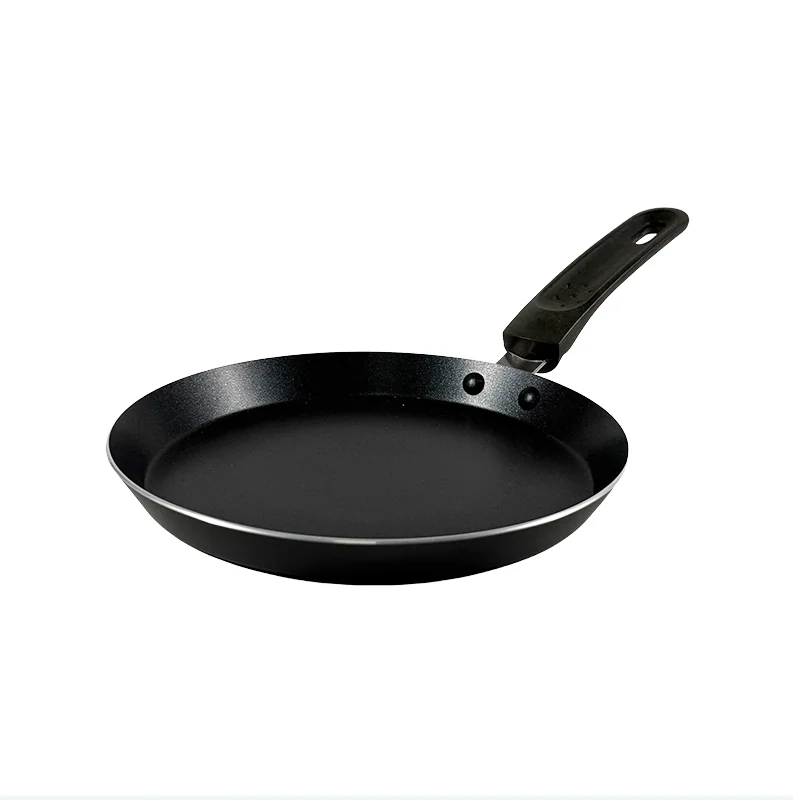
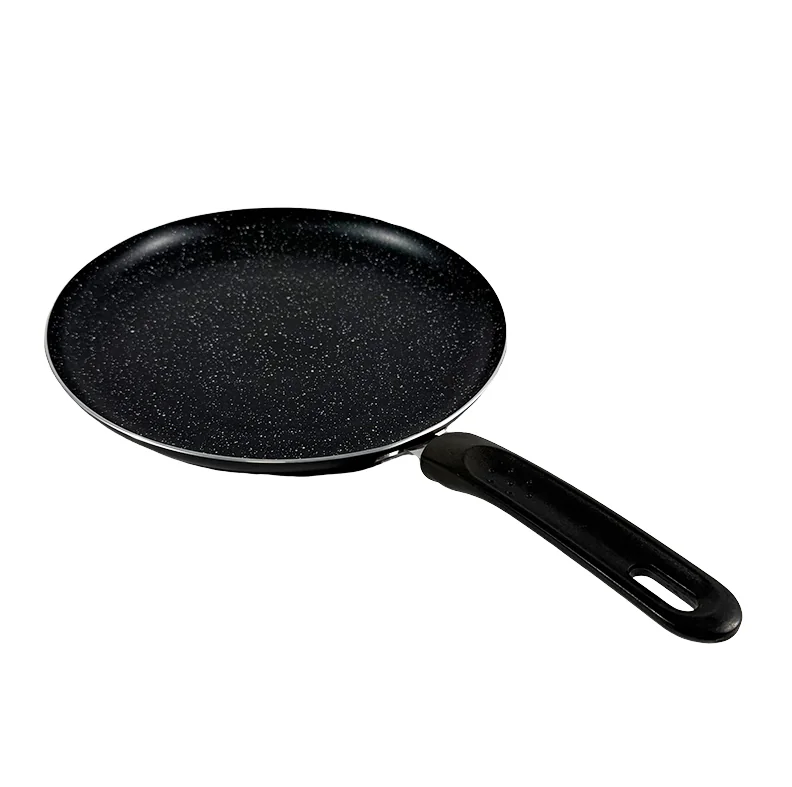
A crepe pan is a flat, round cooking pan with very shallow or nearly non-existent sides, designed to help spread batter thinly and flip crepes easily. The shape is optimized for speed, control, and smooth release of delicate batter.
1. Low Sides: Why Do Crepe Pans Have Low Sides?
The most recognizable characteristic of a crepe pan is its low sides, typically 1–2 cm tall. Low sides offer three major benefits:
1.1 Easy spreading – A flat edge lets you sweep a spreader across the surface smoothly.
1.2 Easy flipping – A thin crepe spatula can slide underneath without obstruction.
1.3 Even browning – Steam escapes easily, preventing sogginess.
These design details help create the classic paper-thin, evenly golden crepes you might find in French cafés.
2. Shape and Surface
Crepe pans almost always feature:
2.1 A completely flat cooking surface
2.2 A wide diameter (usually 8–12 inches)
2.3 A slightly textured or nonstick finish
2.4 A balanced handle for quick flipping
The goal is to ensure no hot spots, easy sliding, and enough space to swirl batter effortlessly.
2)Are Crepe Pans Nonstick? Understanding Pan Coatings and Performance
A common question when buying a crepe pan is: Are crepe pans nonstick?
The answer: Many are, but not all.
There are three typical categories:
1. Modern Nonstick Crepe Pans (PTFE or Ceramic Coating)
These are the easiest for beginners because the coating:
1.1 Prevents sticking
1.2 Requires little to no oil
1.3 Makes flipping simple
1.4 Shortens preheating time
They’re ideal for quick breakfasts or casual home use.
2. Cast Iron Crepe Pans
Cast iron becomes naturally nonstick after seasoning. They:
2.1 Hold heat beautifully
2.2 Last for decades with proper care
2.3 Produce very consistent browning
Many chefs prefer cast iron for its durability.
3. Carbon Steel Crepe Pans
Similar to cast iron but lighter, carbon steel pans also become naturally nonstick after seasoning.
3)Can a Crepe Pan Be Used for Making Pancakes? Practical Everyday Uses
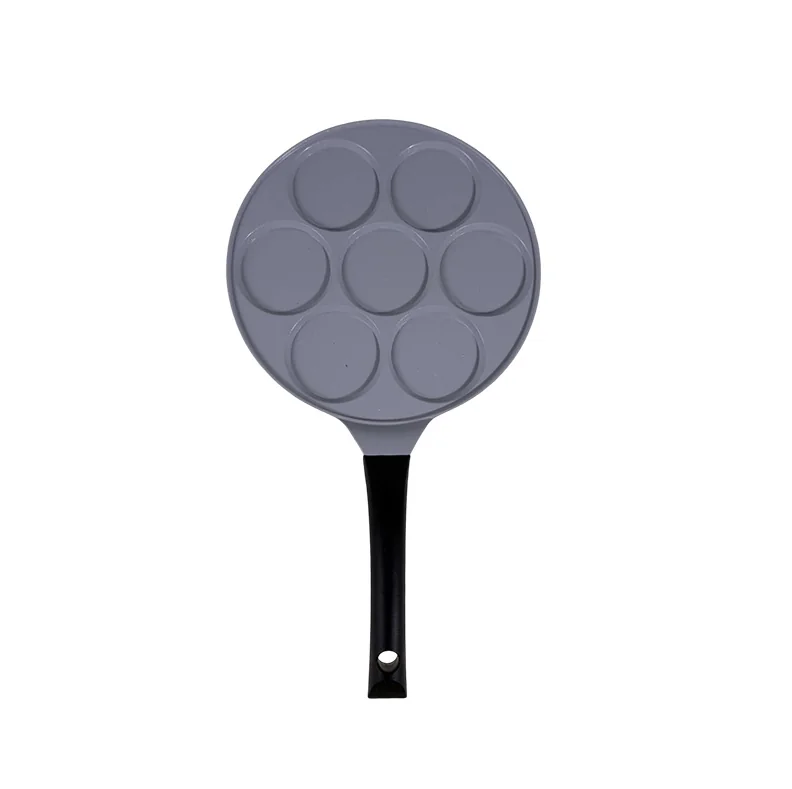
A frequent question is: Can a crepe pan be used for making pancakes?
Yes—a crepe pan is excellent for pancakes, especially thin or evenly cooked ones.
1. Why it works well for pancakes:
1.1 Flat surface distributes heat evenly
1.2 Low sides make flipping easier
1.3 Nonstick coatings (or seasoned surfaces) release batter smoothly
2. Beyond pancakes, crepe pans are very versatile and can be used for:
2.1 Tortillas
2.2 Flatbreads
2.3 Eggs
2.4 Quesadillas
2.5 Blinis
2.6 Omelets
2.7 Grilled sandwiches
2.8 Crumpets
A crepe pan is effectively a hybrid between a skillet and a griddle, making it a multitasker in the kitchen.
4)Do Crepe Pans Need Seasoning? Care Tips by Material
Whether a crepe pan needs seasoning depends on the material.
1. Nonstick Crepe Pans
These do NOT require seasoning. In fact, seasoning can damage some coatings.
2. Cast Iron Crepe Pans
YES, they must be seasoned. Benefits include:
2.1 Natural nonstick surface
2.2 Rust prevention
2.3 Improved flavor and browning
Seasoning involves coating the pan lightly with oil and heating it until polymerized.
3. Carbon Steel Crepe Pans
These also require seasoning, similar to cast iron. After several uses, the pan darkens and becomes extremely slick.
4. Stainless Steel Crepe Pans
These do not need traditional seasoning, but some chefs apply a thin oil layer to improve nonstick performance.
5)Can a Crepe Pan Go in the Oven? Heat Resistance and Material Safety
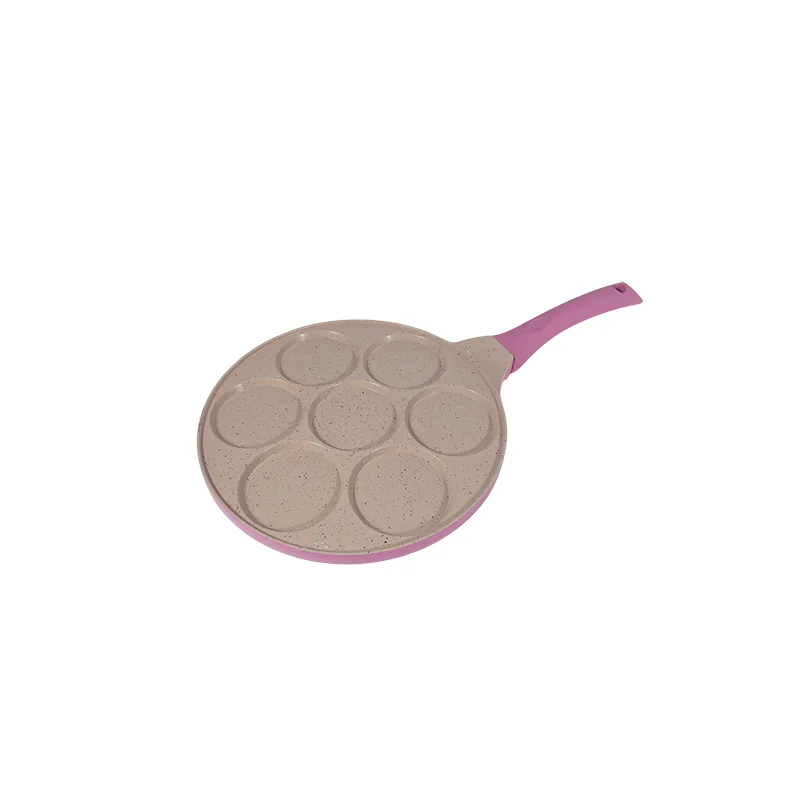
Another common question: Can a crepe pan go in the oven?
Yes—depending on the material and handle.
1.Oven-safe crepe pans include:
1.1 Cast iron – fully oven-safe, even up to 500°F (260°C)
1.2 Carbon steel – usually oven-safe up to high temperatures
1.3 Stainless steel – often oven-safe
2.Crepe pans NOT safe for the oven:
2.1 Pans with plastic handles
2.2 Pans with rubber grips
2.3 Nonstick pans with coating temperature limits (many max out at 350–400°F / 175–200°C)
Always check manufacturer instructions before using your crepe pan in the oven.
6)Can a Crepe Pan Be Used on an Induction Cooktop? Heat Source Compatibility
Can a crepe pan be used on an induction cooktop?
Yes—as long as the pan’s base contains magnetic metal.
1.Induction-compatible crepe pans include:
1.1 Cast iron
1.2 Carbon steel
1.3 Stainless steel with magnetic base
2 NOT compatible unless modified:
2.1 Aluminum crepe pans
2.2 Nonstick pans with non-magnetic bases
To test at home, simply place a magnet on the bottom of the pan. If it sticks, it works on induction.
3.Tips for using crepe pans on induction:
3.1 Preheat gradually to avoid warping
3.2 Keep the pan centered on the burner
3.3 Use medium heat for even browning
7)What Size Crepe Pan Is Best for Beginners? Choosing the Right Diameter
A key question for new cooks is: What size crepe pan is best for beginners?
1.8-inch (20 cm)
Great for: Small kitchens; Simple breakfasts; Single servings
Very easy to control, but too small for large crepes.
2.10-inch (25 cm) —BEST SIZE FOR BEGINNERS
This is the most versatile and recommended size because:
2.1 Plenty of room to swirl batter
2.2 Not too heavy
2.3 Easy flipping
2.4 Works well on most stovetops
2.5 Perfect for both crepes and general cooking tasks.
3. 12-inch (30 cm)
Ideal for: Professional crepe makers; Restaurant use; Large family servings
Requires more practice and wrist strength.
8)How to Use a Crepe Pan Correctly: Beginner-Friendly Techniques
Using a crepe pan effectively is simple once you understand the basics.
1. Preheat the Pan
A properly preheated pan prevents sticking.
2. Use a Small Amount of Oil or Butter
Even nonstick pans benefit from a thin layer of fat.
3. Pour Batter in the Center
Immediately swirl the pan or use a spreader.
4. Flip at the Right Time
The edges should lift slightly and the bottom should be golden.
5. Cook Quickly
Crepes only need about 30–60 seconds per side.
9)Best Use Cases: When to Choose a Crepe Pan Over Other Cookware
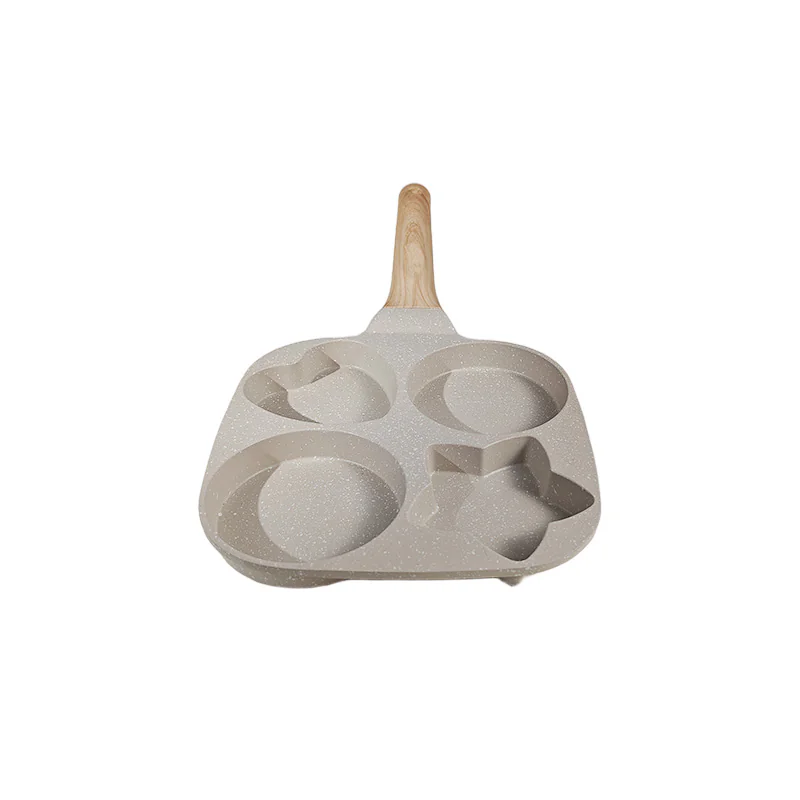
1. Crepe pans excel when food requires:
Thinness; Even browning; Quick cooking; Easy flipping
2.They’re perfect for:
Savory buckwheat crepes; Sweet French crepes; Galettes; Indian dosa; Egg wraps; Tortillas; Flat omelets; Roti; Pancakes
They also make excellent warming surfaces for reheating bread or wraps without burning.
10)How to Clean and Maintain a Crepe Pan for Long-Term Performance
1.Nonstick Crepe Pans
1.1 Wash with mild soap
1.2 Avoid metal utensils
1.3 Avoid abrasive scrubbers
1.4 Let cool before washing
2.Cast Iron or Carbon Steel
2.1 Avoid soap (or use minimal)
2.2 Dry completely to prevent rust
2.3 Reapply a light layer of oil
3. Stainless Steel
3.1 Can tolerate scrubbing
3.2 Suitable for dishwasher (depending on handle)
3.3 Benefit from routine oiling to improve release
Proper maintenance ensures your crepe pan lasts many years.
Conclusion: Choosing the Right Crepe Pan for Your Cooking Style
A crepe pan is a highly versatile and essential piece of cookware for anyone who enjoys delicate, beautifully browned crepes or lightweight breakfast dishes. Understanding the differences in materials, size, seasoning needs, oven safety, and induction compatibility can help you select the perfect pan.
To summarize the key takeaways:
1. Are crepe pans nonstick?
Many are; cast iron and carbon steel become naturally nonstick after seasoning.
2. Can a crepe pan be used for making pancakes?
Absolutely—it’s ideal for pancakes and many other foods.
3. Do crepe pans need seasoning?
Only cast iron and carbon steel require seasoning.
4. Can a crepe pan go in the oven?
Yes—if the material and handle are oven-safe.
5. Can a crepe pan be used on induction?
Yes—if the base is magnetic.
6. What size crepe pan is best for beginners?
A 10-inch pan is the most versatile.
7. Why do crepe pans have low sides?
For easy spreading, flipping, and even cooking.
By choosing the right crepe pan and understanding how to use and maintain it, you’ll be able to master crepe-making and enjoy countless recipes beyond breakfast.

Nathan is a Kitchenware Compliance & Sourcing Advisor at Auspace Kitchenware, with years in China’s kitchenware sourcing and global market fit. He works with Chinese factories to ensure quality, FDA/CE compliance, and alignment with buyers’ needs.With cross-border trade background, he guides on certification, quality checks, and cost-optimized sourcing. His expertise connects buyers to China’s manufacturers, making him a trusted resource for compliant kitchenware.