


Crepes have become a staple menu item in cafés, restaurants, food trucks, and home kitchens worldwide. As demand for specialty cookware continues to grow, many kitchenware brands and distributors are expanding their product lines to include crepe pans.
But what exactly is a crepe pan, and what should businesses know before sourcing one?
Whether you’re a cookware brand owner, importer, wholesaler, or retailer, understanding crepe pan construction, materials, manufacturing methods, and sourcing options can help you make informed purchasing decisions.
In this guide, we’ll explore everything from what makes a crepe pan unique to how OEM manufacturers produce private-label crepe pans for global markets.
What Is a Crepe Pan?
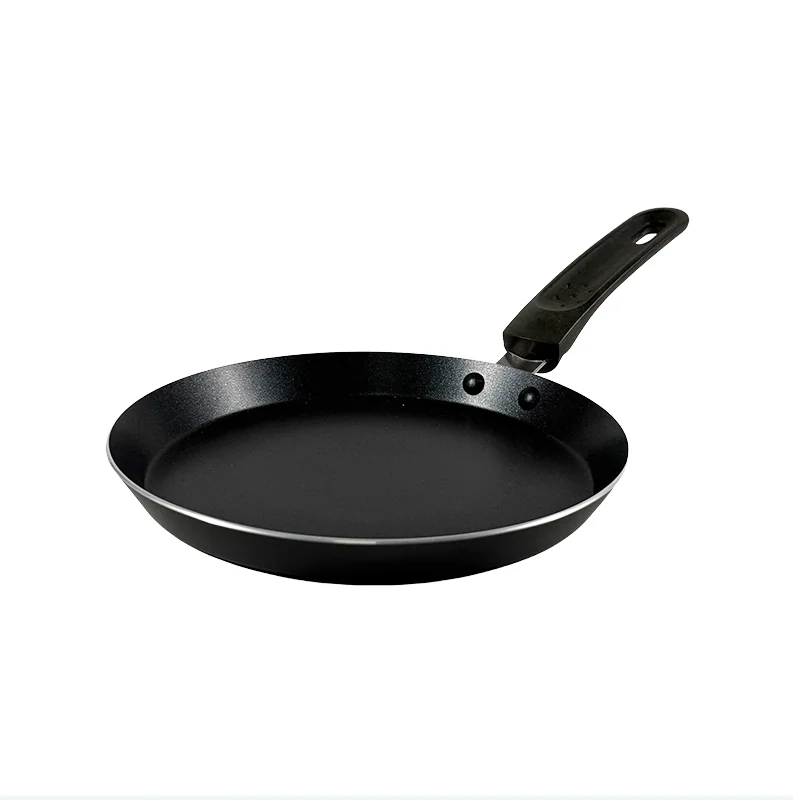
A crepe pan is a specialized flat cooking pan designed to make thin, evenly cooked crepes. Unlike traditional frying pans, crepe pans feature:
- A shallow rim or almost no sidewall
- A large flat cooking surface
- Lightweight construction for easy flipping
- Excellent heat distribution
- Smooth nonstick cooking surfaces
The low-profile design allows users to spread batter evenly and flip crepes effortlessly.
While originally developed for French crepes, modern crepe pans are commonly used for:
- Pancakes
- Tortillas
- Flatbreads
- Omelets
- Dosas
- Blintzes
- Quesadillas
This versatility makes crepe pans an increasingly popular category in both retail and foodservice sectors.
Why Are Crepe Pans Different from Regular Frying Pans?
Many consumers assume a crepe pan is simply a flatter frying pan, but there are several important differences.
| Feature | Crepe Pan | Frying Pan |
|---|---|---|
| Side Height | Very Low | Medium to High |
| Cooking Surface | Extra Flat | Slightly Curved |
| Weight | Lightweight | Moderate |
| Flipping Ease | Excellent | Average |
| Best Use | Crepes & Flat Foods | General Cooking |
The shallow edge allows spatulas to slide underneath delicate crepes without tearing them.
For brands looking to expand cookware collections, crepe pans often complement existing frying pan and pancake pan product lines.
How Are Crepe Pans Manufactured?
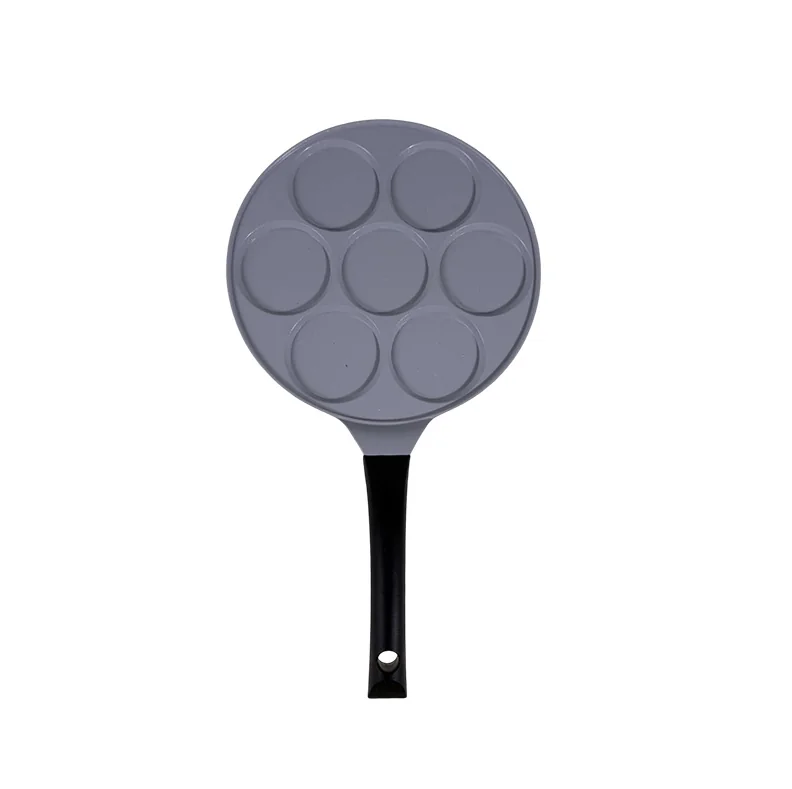
Understanding the manufacturing process helps buyers evaluate quality, durability, and production costs.
1. Material Preparation
Manufacturing begins with selecting the base material:
- Aluminum
- Carbon steel
- Stainless steel
- Cast iron
Aluminum remains the most popular choice due to its balance of cost, weight, and thermal performance.
2. Forming the Pan Body
Depending on the material, manufacturers use different production methods:
Die-Casting
Molten aluminum is injected into precision molds.
Benefits:
- Consistent shape
- Premium appearance
- Excellent heat retention
- Suitable for high-end cookware
Stamping
Aluminum sheets are pressed into shape.
Benefits:
- Lower production cost
- Faster manufacturing
- Lightweight products
Spinning
Often used for carbon steel cookware.
Benefits:
- Strong construction
- Uniform thickness
- Professional-grade performance
3. Surface Treatment
The cooking surface is prepared through:
- Sandblasting
- Polishing
- Cleaning
- Surface activation
This ensures proper coating adhesion.
4. Nonstick Coating Application
Most modern crepe pans use multi-layer nonstick coatings.
Common options include:
- PTFE coatings
- Ceramic coatings
- Reinforced nonstick systems
Premium products may incorporate multiple layers for improved durability and scratch resistance.
5. Handle Assembly
Handles are attached using:
- Riveting
- Welding
- Screw assembly
OEM customers can customize:
- Handle materials
- Ergonomic designs
- Colors
- Branding elements
6. Quality Inspection
Before shipment, manufacturers typically inspect:
- Coating performance
- Surface flatness
- Handle strength
- Dimensional accuracy
- Packaging quality
Consistent quality control is essential for reducing returns and maintaining brand reputation.
What Materials Are Best for Crepe Pans?
Material selection significantly affects product positioning and market appeal.
Aluminum Crepe Pans
Advantages:
- Lightweight
- Fast heat conduction
- Affordable pricing
- Easy to manufacture
Best For:
- Private-label cookware brands
- Mass-market retailers
- Online sellers
Carbon Steel Crepe Pans
Advantages:
- Excellent browning performance
- Long lifespan
- Professional cooking results
Best For:
- Specialty cookware brands
- Professional chefs
- European markets
Cast Iron Crepe Pans
Advantages:
- Superior heat retention
- Exceptional durability
- Traditional cooking experience
Best For:
- Premium cookware collections
- Heritage brands
Stainless Steel Crepe Pans
Advantages:
- Corrosion resistance
- Modern appearance
- Easy maintenance
Best For:
- Premium kitchenware lines
- Design-focused brands
Which Crepe Pan Sizes Are Most Popular?
Different regions show different consumer preferences.
| Size | Typical Market |
|---|---|
| 20 cm (8 in) | Compact kitchens |
| 24 cm (9.5 in) | Entry-level retail |
| 26 cm (10 in) | Best-selling size globally |
| 28 cm (11 in) | Family cooking |
| 30 cm+ (12 in+) | Professional foodservice |
Among private-label projects, 26 cm and 28 cm models are often the most versatile and commercially successful options.
These sizes accommodate a wide range of cooking applications while remaining easy to handle.
Are Nonstick Crepe Pans Better?
For most consumers, yes.
Benefits include:
- Easier batter spreading
- Reduced sticking
- Less oil usage
- Faster cleanup
- Better user experience
As a result, nonstick aluminum crepe pans continue to dominate global retail sales.
However, professional chefs may prefer seasoned carbon steel models for greater temperature control and long-term durability.
Can Crepe Pans Be Used for Other Foods?
Absolutely.
Many consumers purchase crepe pans specifically because of their versatility.
Common applications include:
- Pancakes
- Tortillas
- Eggs
- Flatbreads
- Sandwiches
- Wraps
- Grilled vegetables
This multi-purpose functionality increases perceived product value and improves sell-through rates for retailers.
What Should Buyers Consider When Sourcing Crepe Pans?
When evaluating manufacturers, buyers should look beyond pricing alone.
Product Quality
Assess:
- Material thickness
- Coating quality
- Heat distribution
- Handle durability
Manufacturing Capacity
Reliable suppliers should offer:
- Stable production schedules
- Scalable output
- Consistent quality standards
Certification Compliance
Depending on target markets, manufacturers may provide:
- LFGB compliance
- FDA compliance
- REACH testing
- Food-contact certifications
Customization Capabilities
Leading OEM suppliers typically offer:
- Custom colors
- Logo printing
- Packaging design
- Handle customization
- Private-label branding
Communication and Support
Strong manufacturing partnerships depend on:
Quality documentation
Fast response times
Engineering support
Product development assistance
OEM and Private Label Crepe Pan Opportunities
As cookware brands seek product differentiation, private-label crepe pans have become increasingly attractive.
Customization options may include:
Product Design
- Pan shape
- Rim design
- Thickness
- Surface finish
Branding
- Laser logos
- Silk-screen logos
- Embossed branding
Packaging
- Retail gift boxes
- Color cartons
- Sustainable packaging
Product Bundles
Many brands pair crepe pans with:
- Batter spreaders
- Wooden spatulas
- Recipe booklets
Bundled offerings can improve perceived value and retail margins.
How to Choose a Reliable Crepe Pan Manufacturer
A strong manufacturing partner should demonstrate:
Industry Experience
Look for suppliers with proven expertise in cookware production and international export markets.
Engineering Support
Product development assistance helps reduce time-to-market and improve product performance.
Quality Systems
Manufacturers should maintain documented inspection procedures throughout production.
Flexible OEM Services
The ability to accommodate custom branding, packaging, and design modifications is critical for growing brands.
Long-Term Partnership Potential
The best suppliers function as strategic partners rather than simple vendors.
Why Work with Auspace for Crepe Pan Manufacturing?
At Auspace, we specialize in manufacturing and supplying high-quality cookware solutions for brands, wholesalers, distributors, and retailers worldwide.
Our capabilities include:
- OEM and private-label manufacturing
- Custom cookware development
- Nonstick coating solutions
- Aluminum and specialty cookware production
- Customized packaging and branding
- International compliance support
With extensive experience serving global markets, we help clients develop cookware collections that balance quality, performance, and profitability.
Whether you’re launching a new cookware brand or expanding an existing product line, our team can assist with every stage of product development and sourcin
Final Thoughts
A crepe pan is much more than a specialty cooking tool. For kitchenware brands and importers, it represents a growing product category with broad consumer appeal and strong customization potential.
By understanding materials, manufacturing methods, market preferences, and supplier capabilities, buyers can make smarter sourcing decisions and build more competitive cookware collections.
As demand for versatile, easy-to-use cookware continues to grow, high-quality crepe pans remain a valuable addition to both retail and professional kitchen product lines.
FAQ
What is the best material for a crepe pan?
Aluminum is generally the most popular choice due to its lightweight construction, affordability, and excellent heat distribution.
What size crepe pan sells best?
The 26 cm (10-inch) and 28 cm (11-inch) sizes are among the most commonly sourced options for global retail markets.
Can crepe pans be customized with a brand logo?
Yes. Most OEM manufacturers offer private-label services including logo printing, custom packaging, and product customization.
Are nonstick crepe pans safe?
When produced using certified food-grade coatings and used according to manufacturer guidelines, modern nonstick crepe pans are safe for everyday cooking.
What is the minimum order quantity for OEM crepe pans?
MOQ requirements vary by manufacturer, product specification, and customization level. Buyers should discuss project requirements directly with their supplier.

Nathan is a Kitchenware Compliance & Sourcing Advisor at Auspace Kitchenware, with years in China’s kitchenware sourcing and global market fit. He works with Chinese factories to ensure quality, FDA/CE compliance, and alignment with buyers’ needs.With cross-border trade background, he guides on certification, quality checks, and cost-optimized sourcing. His expertise connects buyers to China’s manufacturers, making him a trusted resource for compliant kitchenware.