



What Is a Crepe Pan? A Complete Guide for Brands, Importers, and Wholesale Buyers
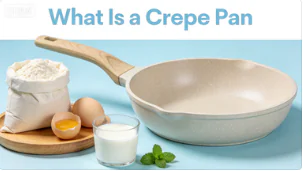
Crepes have become a staple menu item in cafés, restaurants, food trucks, and home kitchens worldwide. As demand for specialty cookware continues to grow, many kitchenware brands and distributors are expanding their product lines to include crepe pans. But what exactly is a crepe pan, and what should businesses know before sourcing one? Whether you’re a cookware brand owner, importer, wholesaler, or retailer, understanding crepe pan construction, materials, manufacturing methods, and sourcing options can help you make informed purchasing decisions. In this guide, we’ll explore everything from what makes a crepe pan unique to how OEM manufacturers produce private-label crepe pans for global markets. What Is a Crepe Pan? A crepe pan is a specialized flat cooking pan designed to make thin, evenly cooked crepes. Unlike traditional frying pans, crepe pans feature: The low-profile design allows users to spread batter evenly and flip crepes effortlessly. While originally developed for French crepes, modern crepe pans are commonly used for: This versatility makes crepe pans an increasingly popular category in both retail and foodservice sectors. Why Are Crepe Pans Different from Regular Frying Pans? Many consumers assume a crepe pan is simply a flatter frying pan, but there are several important differences.

Top 10 Cookware Manufacturers in China 2026 — The Ultimate Wholesale Guide
Introduction As one of the Top 10 Cookware Manufacturers in China 2026, Cooker King and Kobach are leading the charge in the ever-evolving world of culinary innovation. The cookware industry has experienced remarkable transformations, with brands striving to meet the demands of modern consumers. Both Cooker King and Kobach stand out as exemplary players in the market, each offering unique blends of affordability, style, and functionality. Catering to the needs of home cooks, these brands inspire culinary creativity across kitchens worldwide. In this article, we delve into the business models, popular product categories, brand development, and achievements of Cooker King and Kobach, showcasing how they’ve carved their niches in a competitive landscape. 1.What Are the Top Cookware Manufacturers in China 2026? As the global demand for high-quality cookware continues to rise, China remains at the forefront of the cookware manufacturing industry. In 2026, our analysis identifies ten prominent cookware manufacturers who are leading innovation and setting standards in quality. These companies vary in specialization, from nonstick cookware factories to stainless steel cookware suppliers, catering to diverse consumer needs. Understanding these manufacturers provides insights into the dynamics of the cookware market and the potential for successful partnerships in wholesale cookware distribution. 1.1
OEM Cookware Manufacturing: Custom Production Guide for Brands
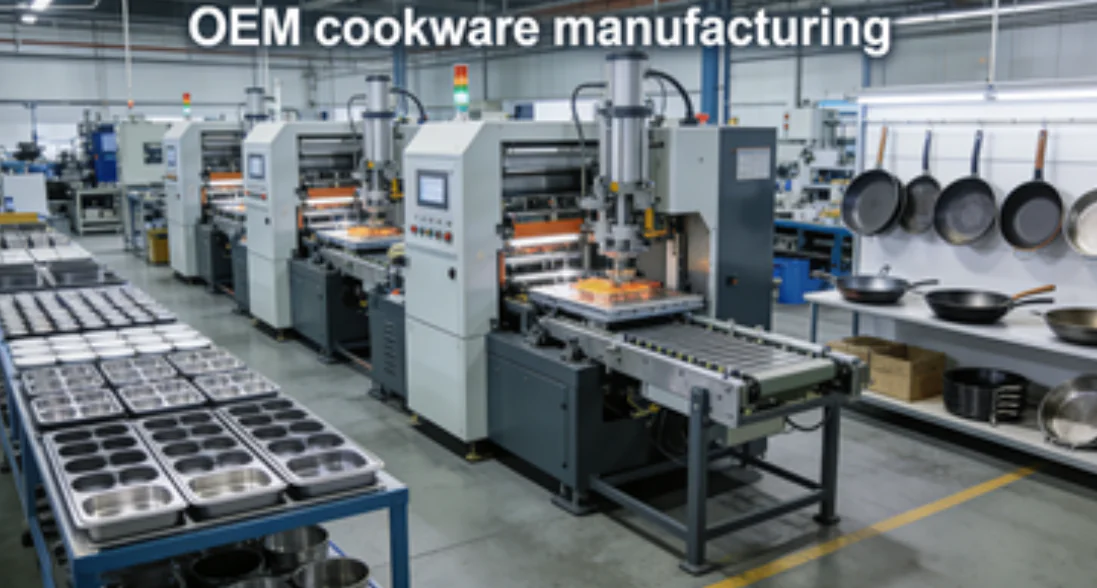
The global cookware market continues to grow as consumers demand better performance, healthier materials, and stronger brand identities. For emerging brands, retailers, and distributors, building a product line from scratch can feel overwhelming. Manufacturing facilities require high capital investment, technical knowledge, and complex supply chain management. This is where OEM cookware manufacturing becomes a powerful solution. OEM allows brands to create fully customized cookware products under their own label—without owning a factory. From design and tooling to coating application and packaging, experienced manufacturers transform product concepts into market-ready cookware. This complete guide explains how OEM cookware manufacturing works, how it differs from other production models, what the process involves, and how brands can successfully launch custom cookware products. What Is OEM Cookware Manufacturing? OEM (Original Equipment Manufacturer) cookware manufacturing refers to a production model in which a factory produces cookware products according to a brand’s specifications. The brand owns the design, branding, and market positioning, while the manufacturer handles production. Unlike wholesale purchasing—where brands simply buy existing products and add a logo—OEM offers deep customization. Brands can define: OEM cookware manufacturing gives brands control over their product identity without requiring them to operate their own production facilities. Cookware OEM ODM Difference:
How to Find Reliable Cookware Manufacturers (Factory Sourcing Guide)
Introduction The cookware industry offers immense opportunities for brands ready to launch their own product lines—but success hinges on one critical decision: choosing the right manufacturing partner. With thousands of factories across China, Vietnam, and beyond, how do you separate world-class producers from unreliable suppliers who waste your time and money? This comprehensive guide walks you through every stage of the sourcing journey. From understanding why reliability beats rock-bottom pricing, to navigating supplier directories, vetting manufacturers, and managing quality control, you’ll gain actionable strategies used by professional importers. Whether you’re launching your first private-label collection or scaling an existing cookware brand, this cookware factory sourcing guide equips you with the knowledge to make confident, profitable decisions. 1. Why “Reliable” Matters More Than “Cheap” in Cookware Sourcing 1.1 The Hidden Costs of Choosing the Wrong Supplier The lowest quote rarely delivers the lowest total cost. When you partner with an unreliable cookware manufacturer, hidden expenses multiply quickly—substandard materials cause coating failures, warped bases trigger customer returns, and production delays force expensive air freight to meet retail deadlines . Compliance failures are even costlier; cookware that fails FDA or LFGB food contact standards can trigger product recalls and lasting brand damage . When you
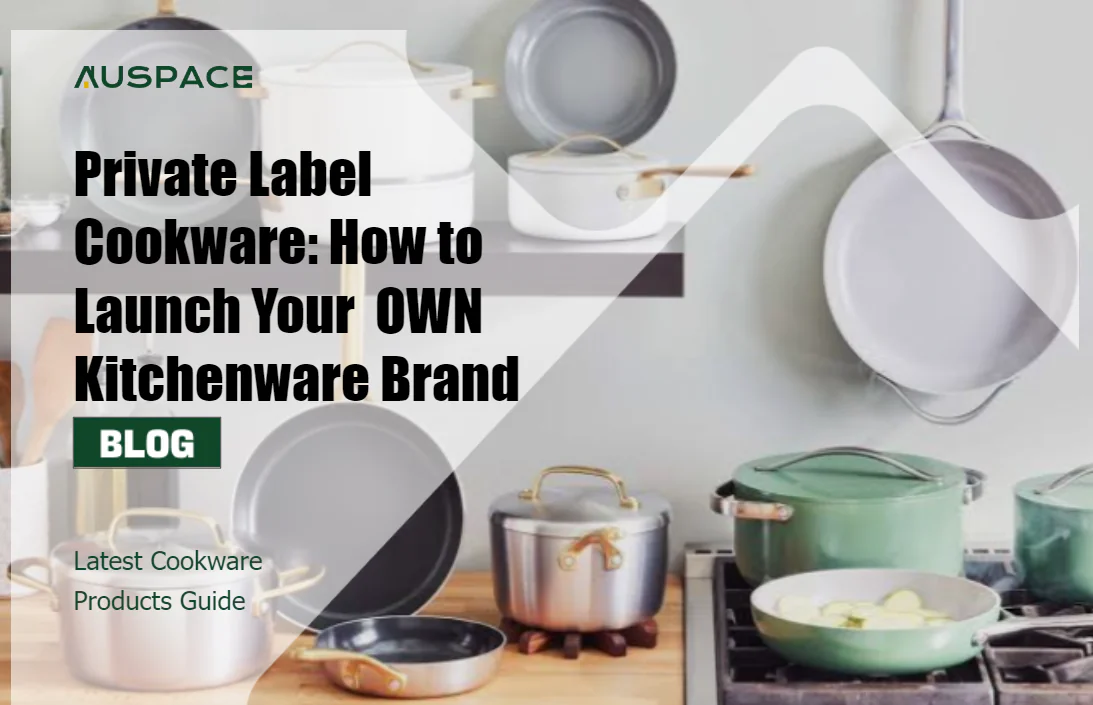
Private Label Cookware: How to Launch Your Own Kitchenware Brand
Introduction The global kitchenware industry is undergoing structural transformation driven by e-commerce expansion, direct-to-consumer brands, and evolving consumer expectations around quality and design. Entrepreneurs exploring how to start a cookware brand are no longer required to invest in heavy industrial infrastructure. Instead, private label cookware has become the dominant pathway for launching scalable, competitive kitchenware businesses. By working with a qualified label kitchenware factory, brands can leverage established cookware brand manufacture systems while focusing on branding, distribution, and margin optimization. 1. What Is Private Label Cookware and Why Is It the Foundation of Modern Cookware Brand Manufacturing? 1.1 What Are Private Label Cookware Products? Private label cookware refers to cookware products manufactured by an established production facility but marketed under your own registered trademark. The label kitchenware factory manages raw material procurement, forming, bonding, coating, polishing, assembly, and quality control. The brand owner controls positioning, pricing, branding, packaging, and channel strategy. For entrepreneurs researching how to start a cookware brand, this structure minimizes capital expenditure while retaining full brand ownership. Instead of building forging lines, coating tunnels, or polishing workshops, you integrate into an existing cookware brand manufacturing ecosystem. When starting a cookware line, this approach allows rapid product development
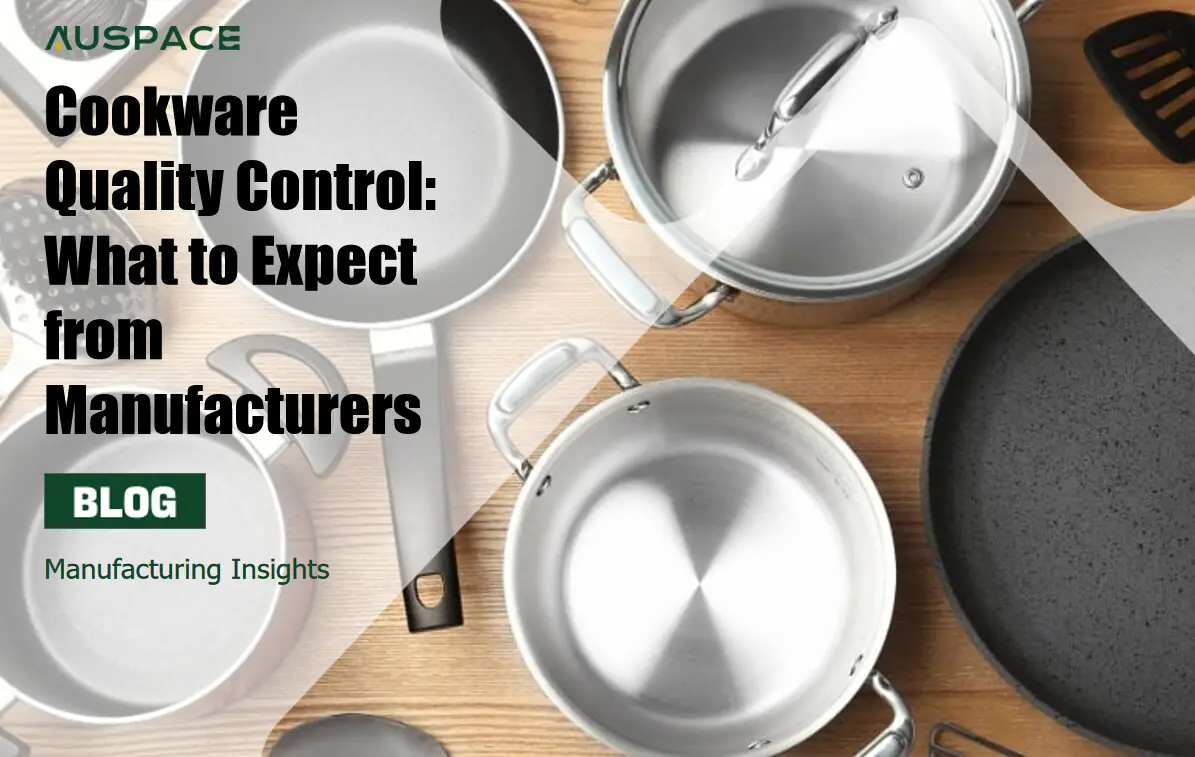
Cookware Quality Control: What to Expect from Manufacturers
Cookware is an essential part of both home and commercial kitchens, with its quality directly impacting food safety, user experience, and long-term health. For consumers, retailers, and distributors, understanding cookware quality control and manufacturer responsibilities is key to making informed decisions. Cookware quality control is not a single final check but a systematic process throughout the entire manufacturing cycle—from raw material procurement to finished product delivery. This article explores core aspects of cookware quality control, addressing factory inspection processes, manufacturing quality control, testing standards, certifications, checklists, third-party inspections, and defect rate standards. At its core, cookware quality control ensures products meet predefined safety, performance, and durability standards. Manufacturers bear primary responsibility for rigorous QC measures, as oversights can result in harmful substance leaching, premature failure, or poor performance. Global food safety attention has tightened standards worldwide; for example, the U.S. FDA has warned against imported cookware with excessive lead leaching. Different materials (stainless steel, aluminum, ceramic, non-stick) require specialized QC protocols, and below is a detailed breakdown of key components. Quality Control in Cookware Manufacturing: A Full-Cycle Approach Reliable manufacturers implement full-cycle QC, integrating checks into three key phases: raw material, in-process, and finished product control—avoiding over-reliance on end-of-line testing
Top 10 Cookware Brands of 2026: A Professional Manufacturer’s Perspective
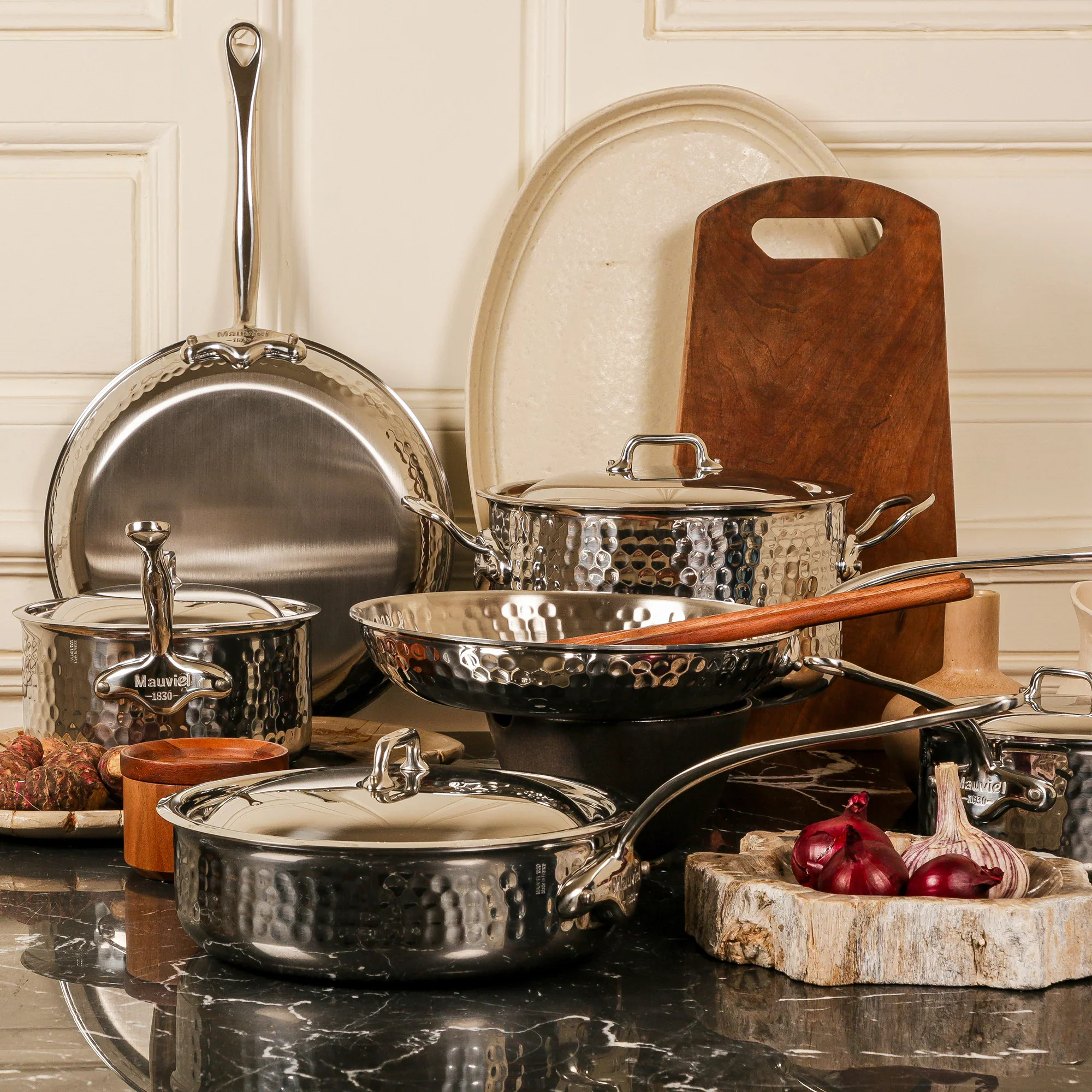
As a professional cookware manufacturing factory deeply rooted in China for over a decade, I understand the critical importance of quality cookware in the culinary experience. Since our establishment in 2014, Auspace has been committed to providing high-quality kitchenware wholesale services to global clients. We operate a 2,000 square meter showroom displaying over 10,000 products, serve 1,000+ customers worldwide, and achieve an annual turnover of $100 million. With deep understanding of cookware manufacturing craftsmanship, I’d like to share the ten most noteworthy luxury cookware brands of 2026. These brands represent the pinnacle of the cookware industry today, excelling in material selection, manufacturing craftsmanship, and design aesthetics. 1. Mauviel 1830 – French Copper Cookware Royalty When it comes to copper cookware, Mauviel is the first name that springs to mind. This Normandy-based atelier has been crafting cookware for nearly 200 years, and their pieces feel as exceptional in hand as they perform on the stovetop. Core Advantages: From a manufacturer’s perspective, Mauviel’s success lies in its unwavering commitment to traditional craftsmanship and the relentless pursuit of material excellence. 2. All-Clad – The American Benchmark in Bonded Metal All-Clad represents one of the greatest American design stories in the kitchen. This brand
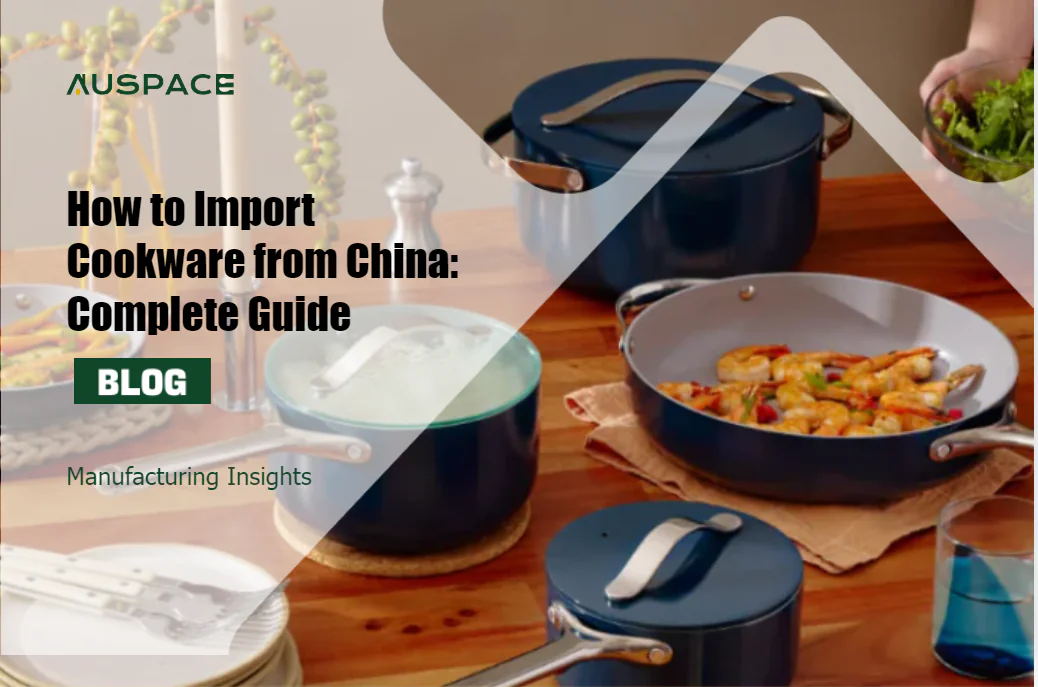
How to Import Cookware from China: Complete Guide
Introduction If you’re new to sourcing, how to import cookware from China can feel like a maze: materials, coatings, packaging, factory terms, shipping, and customs all at once. The good news is you don’t need to “know everything.” You need a repeatable process and a few checkpoints that catch the expensive mistakes early (wrong spec, missing documents, failed testing, or surprises at clearance). This guide breaks how to import cookware from China into practical steps you can follow, even on your first order—without jargon, and without pretending every buyer has the same market rules. Table of Contents 1. Start with a clear plan — how to import cookware from China without losing money Before you message suppliers, define your first order like a small project. Your goal is not “find the cheapest pan.” Your goal is a China cookware import guide you can reuse: a spec sheet, a cost model, a timeline, and a document list. That’s the fastest way to learn how to import cookware from China without paying “tuition” on every mistake. A simple starter plan (use it as a checklist): If you treat your first order as a “pilot,” you’ll learn how to import cookware from China
How Is Stainless Steel Manufactured? A Comprehensive Guide
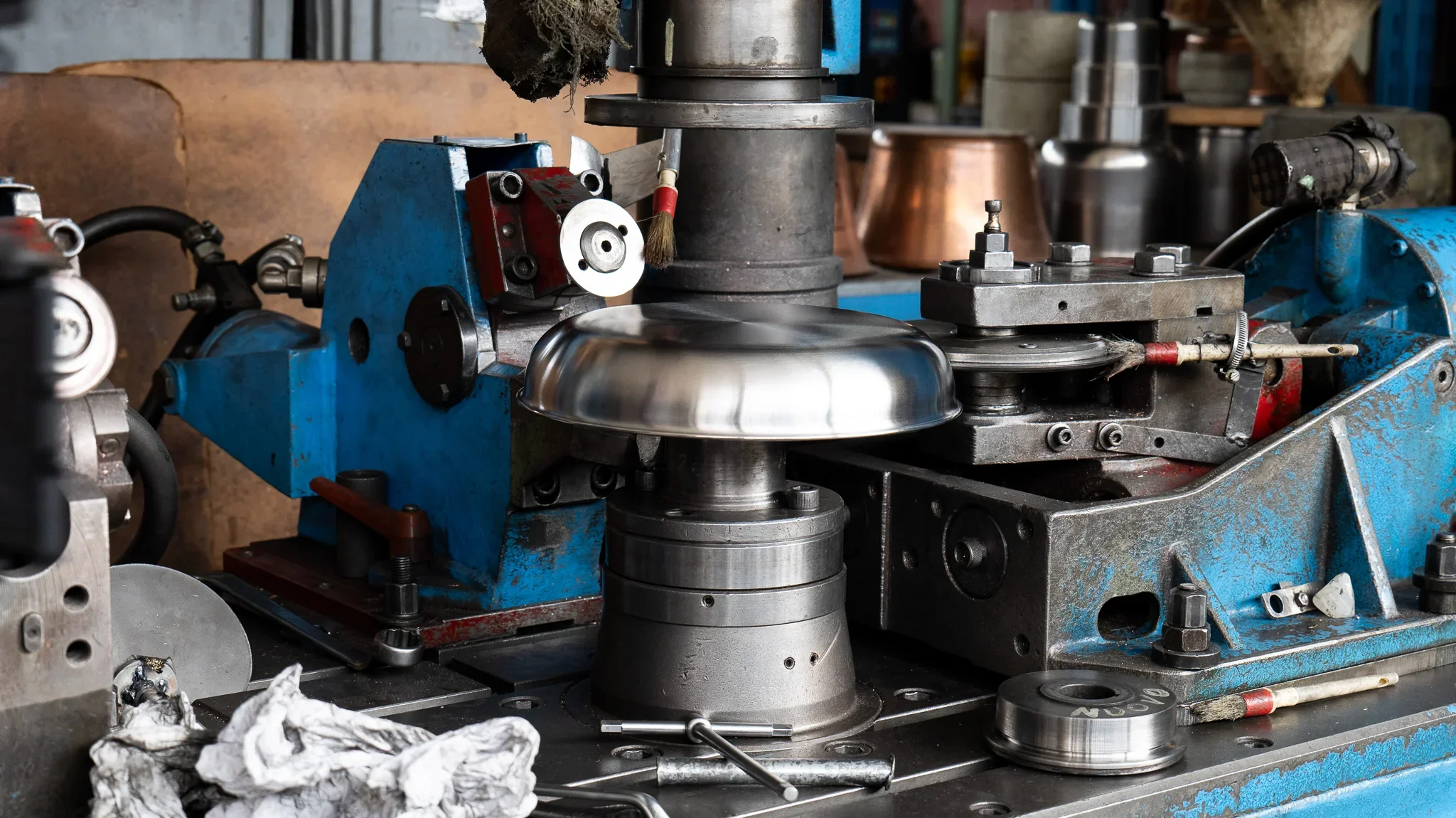
Stainless steel has become an indispensable material in modern life, from kitchen cookware to medical instruments, architectural structures to automotive components. But how exactly is this remarkable alloy produced? This guide explores the complete manufacturing process of stainless steel, its history, and where it’s made around the world. What Is Stainless Steel? Stainless steel is an iron-based alloy that contains a minimum of 10.5% chromium, which forms a protective chromium-oxide layer on the surface. This passive layer gives stainless steel its signature corrosion resistance and “stainless” quality. The alloy typically contains iron, chromium, and varying amounts of other elements such as nickel, molybdenum, silicon, and carbon (usually no more than 0.12%). There are more than 57 standard stainless steel grades recognized globally, plus numerous proprietary alloys developed by manufacturers. These fall into four main categories: austenitic, ferritic, martensitic, and duplex stainless steels, each with distinct properties suited for specific applications. When Was Stainless Steel First Manufactured? While chromium’s protective properties were recognized as early as 1821 by French scientist Pierre Berthier, the first true stainless steel wasn’t manufactured until the early 20th century. On August 20, 1913, English metallurgist Harry Brearley created the first recognized stainless steel at the Brown-Firth
Best Non-Stick Pan for Eggs: Complete Buying Guide
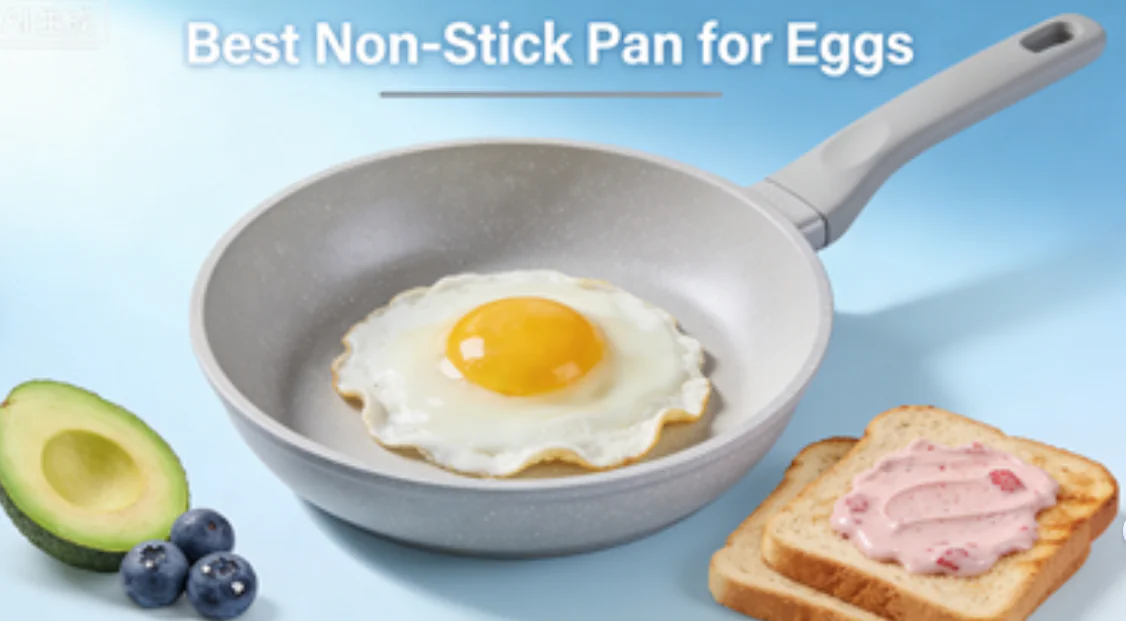
Cooking eggs may look simple, but anyone who has dealt with stuck-on egg whites or torn omelettes knows that eggs are one of the most demanding foods for cookware. From delicate fried eggs to creamy scrambled eggs, the pan you use can make or break the result. That’s why choosing the best non-stick pan for eggs is essential for both home cooks and professionals. In this complete buying guide, we’ll break down everything you need to know—from coatings and sizes to pan shapes and maintenance—so you can confidently choose the best pan to cook eggs for your kitchen. Why Choosing the Best Non-Stick Pan for Eggs Really Matters Eggs are naturally high in protein, which means they bond easily to hot metal surfaces. Even experienced cooks struggle to release eggs cleanly when the pan isn’t up to the task. A high-quality non-stick pan ensures easy release, minimal oil usage, and consistent results. A poor-quality pan, on the other hand, leads to: If you cook eggs regularly, investing in a dedicated non stick egg frying pan is one of the smartest cookware decisions you can make. Best Pan to Cook Eggs — What Features Actually Make a Difference? Not all non-stick pans are created
The Complete Guide to Non-Stick Cookware: Everything You Need to Know
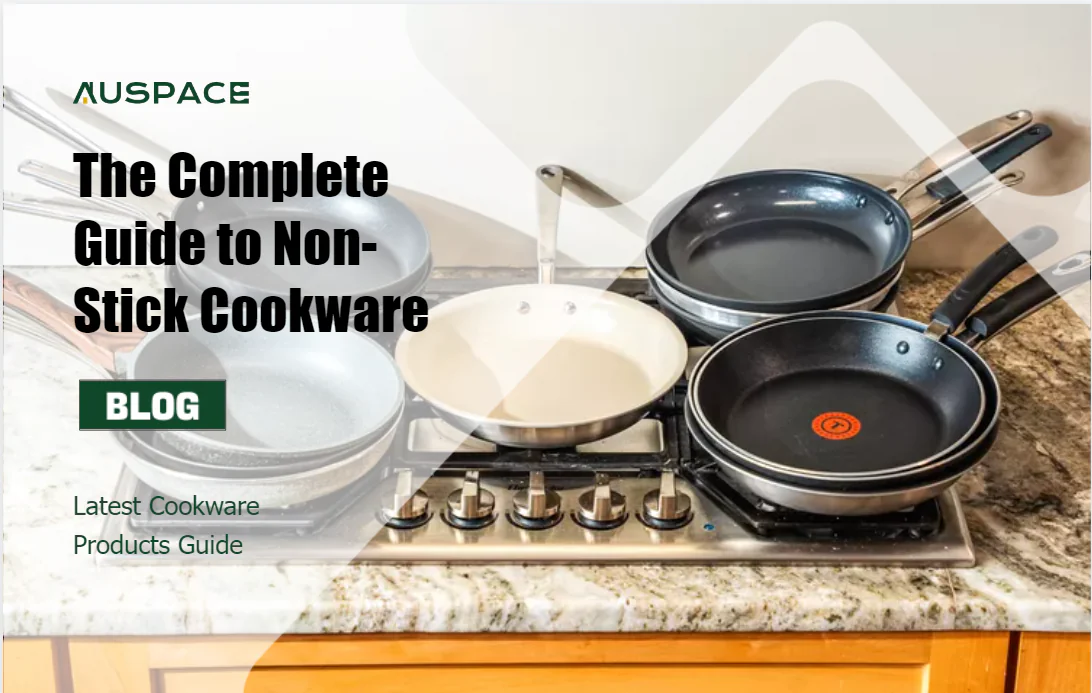
Non-stick cookware has revolutionized home cooking, making meal preparation easier and cleanup faster. Whether you’re a beginner cook or an experienced home chef, understanding non-stick pans and how to use them properly can dramatically improve your cooking experience. This comprehensive guide covers everything you need to know about non-stick cookware. What is Non-Stick Cookware? Non-stick cookware refers to pots and pans coated with a special surface that prevents food from adhering during cooking. The most common coating is polytetrafluoroethylene (PTFE), commonly known as Teflon, though ceramic and other alternatives have gained popularity in recent years. The primary advantage of non-stick pans is their ability to cook food with minimal oil or butter, making them ideal for health-conscious cooking. They’re particularly useful for cooking delicate foods like eggs, fish, and pancakes that tend to stick to traditional cookware. Types of Non-Stick Cookware PTFE (Teflon) Non-Stick Pans Traditional PTFE-coated pans remain the most popular choice for non-stick cookware. Modern formulations are PFOA-free and safe when used correctly. These pans offer excellent food release and are typically more affordable than ceramic alternatives. Ceramic Non-Stick Cookware Ceramic-coated pans have emerged as a popular alternative, appealing to those seeking PTFE-free options. While they perform well
Non-Stick vs Stainless Steel: Which Pan Should You Buy?
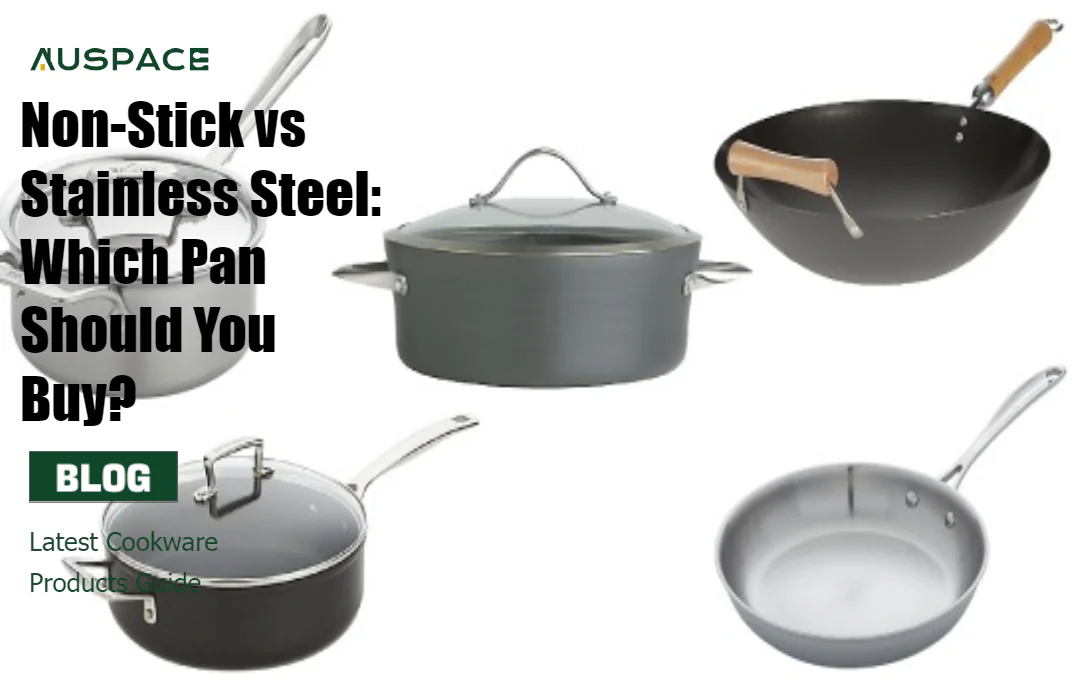
Introduction Buying a pan sounds simple until you actually try to choose one. You search online, open a few product pages, and suddenly you’re comparing coatings, metal layers, heat ratings, and dozens of reviews arguing back and forth about non stick vs stainless steel cookware. One person says non stick saves time. Another says stainless steel lasts forever. Some warn about health concerns. Others talk about “professional results.” The problem is not a lack of information. It’s too much conflicting information.If you’re a home cook, you probably just want something that cooks well and doesn’t waste money. If you’re running a café, restaurant, Airbnb, or hotel kitchen, you care about durability, replacement cost, and long-term value even more. In both cases, choosing the wrong type of pan creates daily frustration: That’s why understanding non stick vs stainless steel cookware is less about preference and more about matching the tool to how you actually cook.This guide walks you through the differences step by step, using real-life cooking scenarios instead of marketing claims, so you can make a practical and confident decision. 1. Material Fundamentals: How Each Pan Is Built and Why It Matters Before comparing performance, you need to understand the
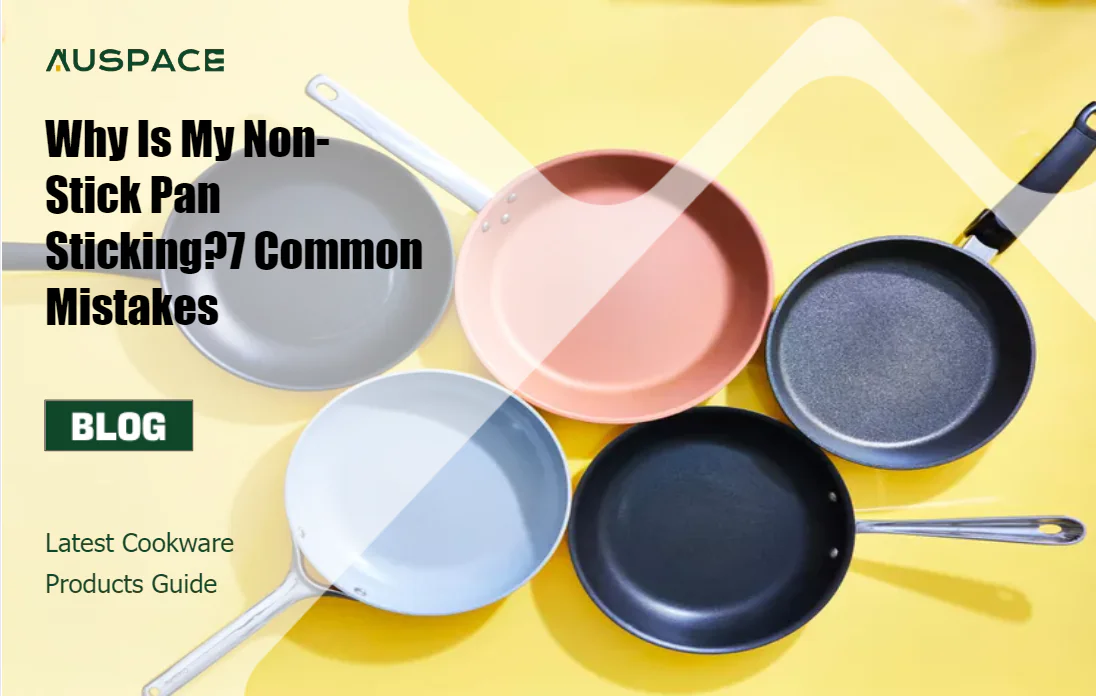
Why Is My Non-Stick Pan Sticking?7 Common Mistakes
Introduction Why is my non-stick pan sticking? It’s a common frustration that can turn simple cooking into a chore. The answer almost always lies not in a defective pan, but in a few easily corrected usage mistakes. This guide will walk you through the seven most common culprits—from overheating and using metal utensils to improper cleaning—that silently degrade your pan’s slick surface. Understanding these errors is the first step to restoring its performance and ensuring your kitchen essential lasts far longer. 1. The Cardinal Sin: Using Excessive Heat The single most destructive force acting upon a non-stick pan is excessive heat. This mistake is often born from habits formed with other cookware, such as cast iron or stainless steel, which thrive on high temperatures for optimal searing. Applying this same technique to a non-stick pan is catastrophic. The science is clear: the polymers in standard PTFE-based coatings begin to destabilize at temperatures exceeding 260°C (500°F). When an empty pan is preheated on high, it can reach and surpass this threshold in mere minutes, initiating an irreversible chemical breakdown. The damage is not always immediately visible. Initially, the pan may develop a slight stickiness or a discolored, cloudy film. Over time,
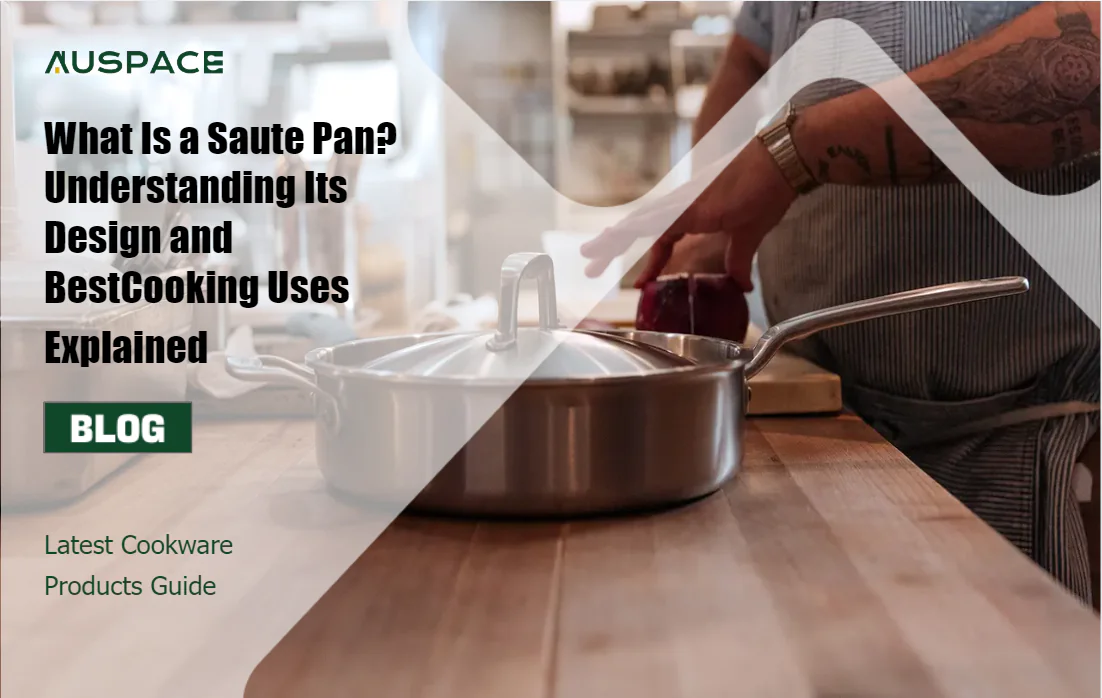
What Is a Saute Pan? Understanding Its Design and BestCooking Uses
Introduction What is a saute pan? More than just a basic pot, it is the cornerstone of efficient, flavor-forward cooking. Defined by its wide, flat bottom and characteristically tall, straight sides, this pan is engineered for the technique of sauter—to jump—allowing food to be expertly tossed. But its true genius lies in its versatility, seamlessly transitioning from high-heat searing for proteins like salmon to simmering rich sauces in the same vessel. Whether you’re learning how to saute shrimp in a pan or determining if can a cuisinart saute pan go in the oven, understanding this tool unlocks countless culinary possibilities. This guide will explore its unique design and demonstrate why it’s an indispensable asset for any kitchen. 1.What Is a Saute Pan? The Essential Kitchen Workhorse Explained The sauté pan is not merely a cooking vessel; it is a foundational tool designed for precision and culinary excellence. In professional kitchens, it is known for its unparalleled ability to execute the classic French technique of sauter—to jump—by allowing ingredients to be effortlessly tossed and flipped over high heat. But its utility extends far beyond this namesake method. Its distinct design makes it a versatile cornerstone for tasks ranging from shallow frying to delicate poaching. 1.1 Decoding the
